The Impact of Inclusive Teaching: Reflections from LSST E&C Faculty and Students





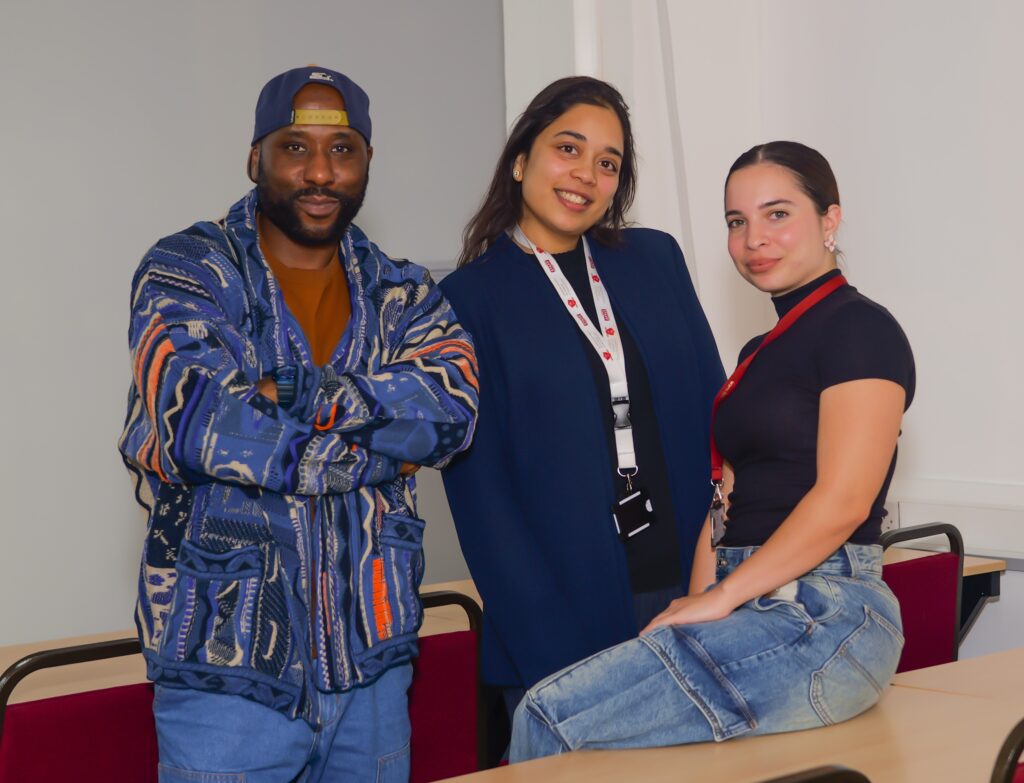
By Dr. Rashi Bansal, BNU Course Coordinator for Health L3&4 at LSST Elephant and Castle.
Creating classrooms where everyone belongs
Inclusive teaching isn’t just about adapting content or materials; it’s about creating learning spaces where every student feels they truly belong. At LSST, where diversity is one of our greatest strengths, inclusion shapes everything from how we design lessons to how we listen.
When students feel seen, heard, and valued, they engage differently. They participate with more confidence, collaborate more openly, and connect their learning to real-world goals. As lecturers, we’ve seen how small changes: a different way of giving feedback, offering flexible assessment choices, or simply inviting varied perspectives, can make a profound difference.
What Inclusive Teaching Looks Like at LSST
Every LSST classroom is a reflection of the world beyond it – multicultural, multilingual, and filled with distinct stories. Inclusive teaching means recognising those stories and building on them. It’s not a checklist; it’s an ongoing practice. At LSST, every classroom mirrors the wider world: rich in culture, languages, and individual experiences. For example, LSST promotes the non-judgmental use of translator tools and Immersive Reader functionality to ensure multilingual students actively participate and feel seen. In another instance, lecturers adopt ice-breaker activities that invite students from diverse backgrounds to share their perspectives, helping create a genuinely welcoming space. Inclusive teaching at LSST means continuously adapting, adjusting curriculum, pedagogy and assessment so that every student’s voice matters. LSST emphasises that it’s not a fixed set of tasks but an evolving practice of connection and responsiveness.
For some of us, it’s about adapting assessments so that students can express understanding in different ways. For others, it’s about being intentional in whose voices we amplify in discussions or case studies.
Faculty Voices: Inclusion in Action
Inclusion is experienced most vividly in the day-to-day choices lecturers make. Below are a few reflections from LSST faculty about how inclusion has shaped their teaching practice.
Dr. Sujata Bose, Teaching Fellow, LSST Elephant and Castle
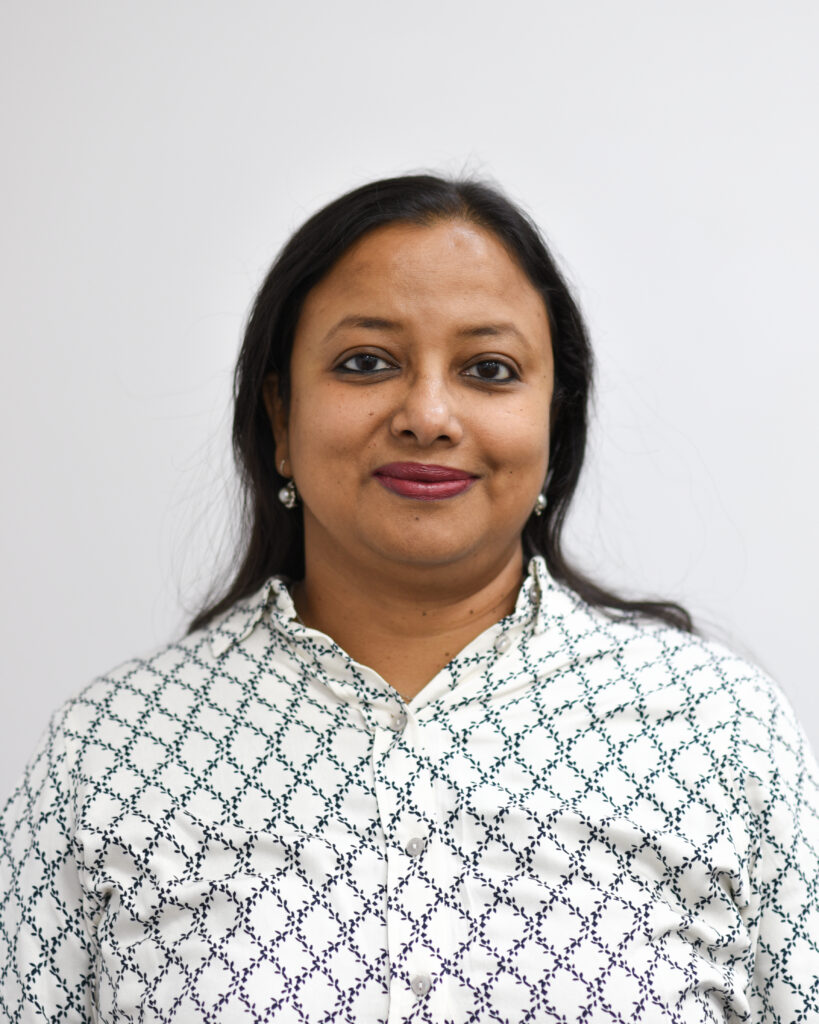
For me, inclusivity means that as a lecturer, I should be able to make every student in the class feel comfortable and confident in achieving their learning outcomes, irrespective of their cognitive acumen. It calls for flexibility on the lecturer’s part, to be able to customise the academic delivery in such a way that all students can enjoy and engage in the class discussions and contribute positively to the exchange of knowledge and information.
Inclusivity, in its core, is about equity, not sameness, which requires providing different levels of support or approaches so that all students have equal opportunities to learn and prosper.”
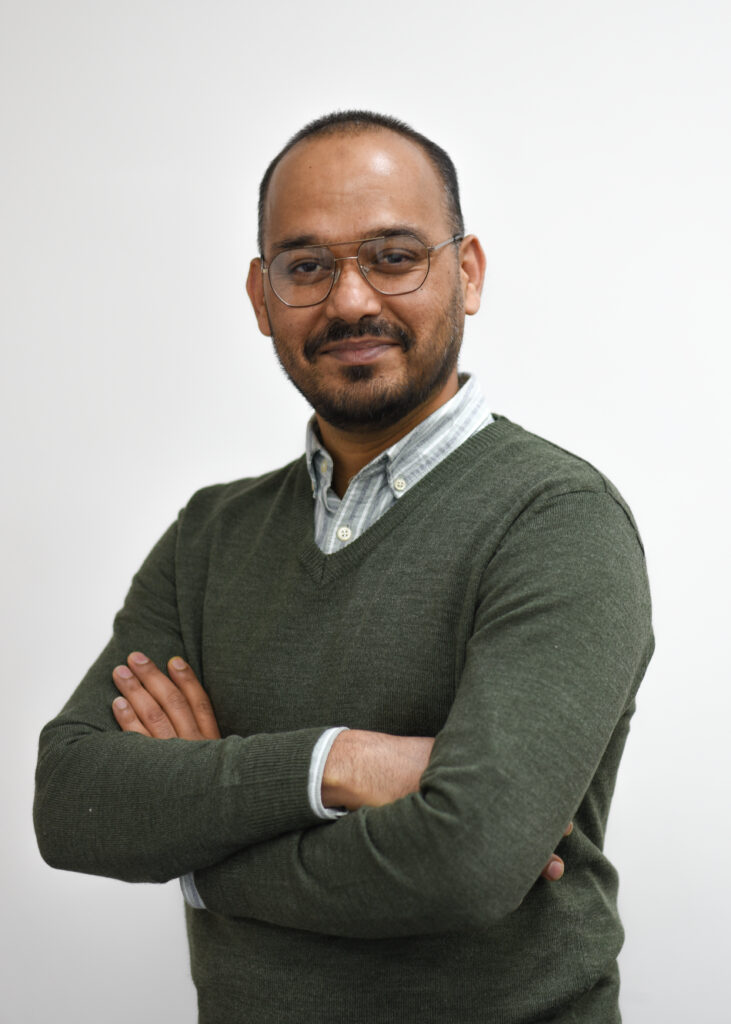
Mr. Yunus Ali, PAT Coordinator, LSST Elephant and Castle
Mr. Floyd Manderson OLY, Academic Team Lead, LSST Elephant and Castle
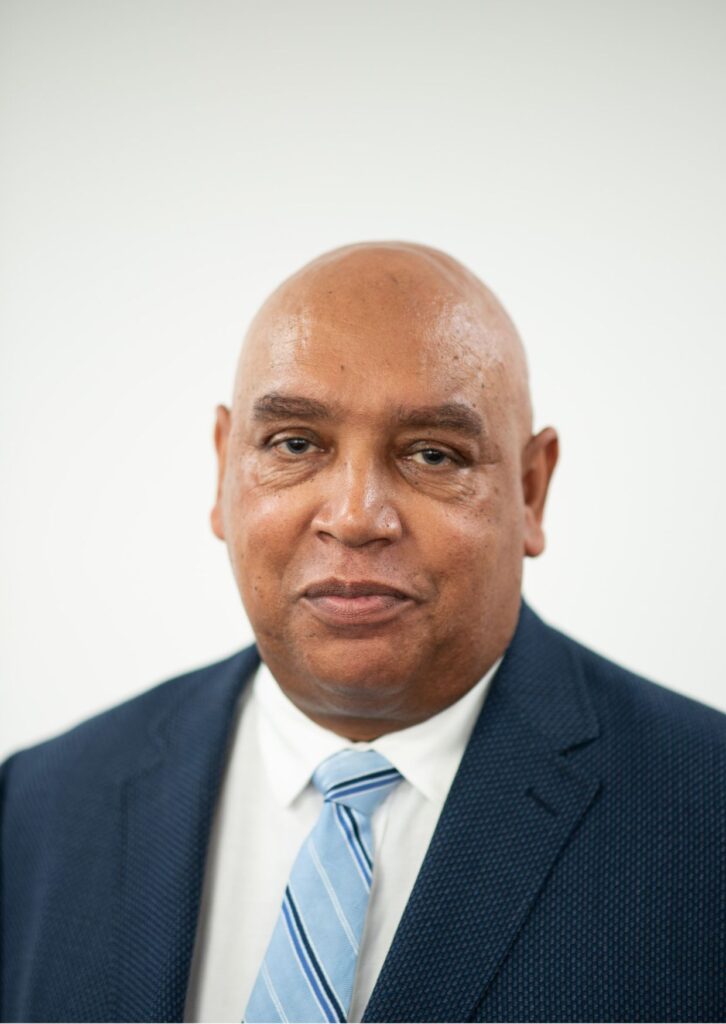
In 2022, Mr. Shan Wikoon, Senior Lecturer in Business and Module Leader, and I began developing a digital learning programme aimed at supporting adult learners with low literacy skills. The goal was to help mature students at LSST, adapt more confidently to the digital and technological environment. As the project evolved, we proposed the concept to Google, who invited us to their headquarters to explore a collaborative partnership. They recognised the value of our initiative, particularly how it could enhance inclusivity in higher education for LSST’s diverse student community and support our shared commitment to lifelong learning.
I would also add that for the mature lecturers who are in the same demographic group, it calls for them to be rapidly upskilled, or they will also be unable to keep pace with the change needed in their lectures. As from the lecturers’ standpoint, feeling able to disseminate knowledge based on experience may no longer be enough, as learner and institutions grow their respective expectations of what constitutes a good /excellent learning space in light of rapid change.”
Beyond the Classroom: The Ripple Effect
Inclusive teaching doesn’t stop when class ends. It influences how students approach teamwork, leadership, and problem-solving. When learners experience inclusion, they carry that mindset forward: into workplaces, communities, and future collaborations.
For staff, the process of becoming more inclusive is also transformative. It encourages reflection, flexibility, and a willingness to learn from our students as much as they learn from us.
As LSST continues to champion widening participation, inclusive teaching remains central to our mission: ensuring that every student, regardless of background, feels capable and supported to achieve their goals.
| Adriana E Gouveia Sanchez, BA (Hons) Business Management with Foundation (Year 2), LSST (E&C) “I’ve felt genuinely seen and heard through classroom discussions, group projects, and the support from lecturers who take time to understand our individual journeys. LSST has created a space where diversity is celebrated, and that makes a real difference in how I experience education.” |
| Calvin Stone, BA (Hons) Business Management with Foundation (Year 1), LSST (E&C) “During lectures at LSST, we discuss the modules and topics, all in relation to real-life scenarios and personal life examples. In fact, we are motivated to debate and give our personal opinions while inspiring participation even for those who usually aren’t interested or shy away from speaking up publicly.” |
A Shared Commitment
Inclusion isn’t a one-time initiative – it’s a shared commitment. Each conversation, lesson plan, and moment of feedback offers a chance to affirm belonging. The impact is both immediate and lasting: confident students, connected classrooms, and a community built on respect.
When inclusion is part of our teaching DNA, learning becomes not just accessible, but empowering.