LSST Birmingham Hosts Landmark British Sociological Association Symposium to Reimagine the Horizon of Higher Education






By Kunal Chan Mehta | Article Date: 8 September 2026
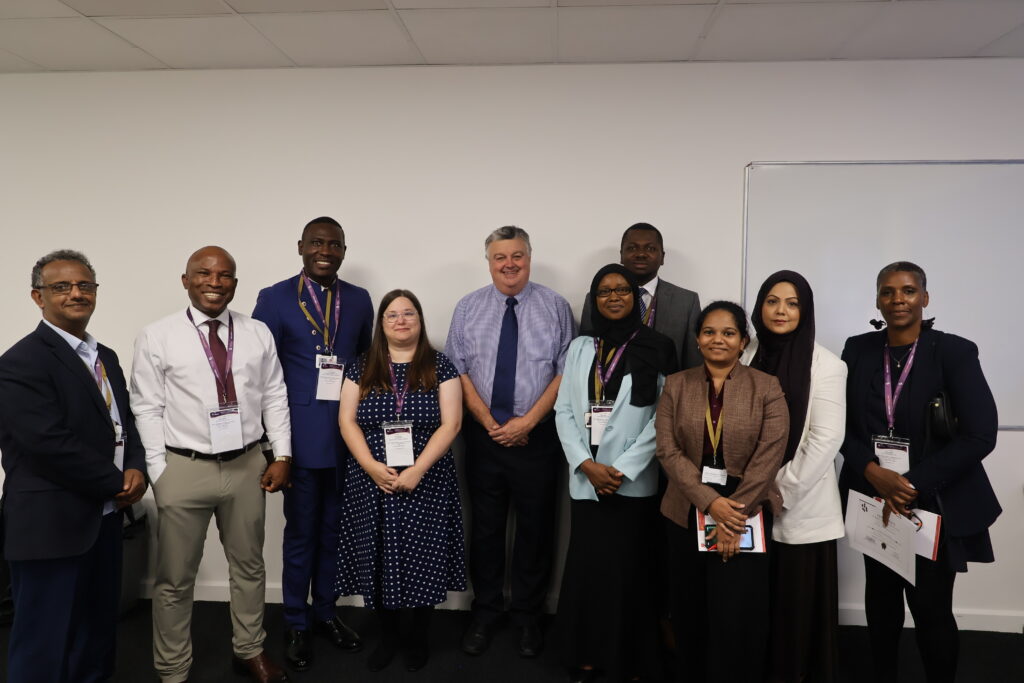
LSST Birmingham became a national focal point for pedagogical innovation by hosting the British Sociological Association (BSA) Early Career Regional Event (3 Sep 2026). Convened under the banner “Educating the Non-Traditional Learner: The Want, The Need, and The Demand for Inclusive Learning in the 21st Century,” the symposium moved beyond diagnosing present educational challenges to chart an ambitious blueprint for the future of tertiary study.
The event was made possible after Dr Michael Demehin, Senior Lecturer and Course Coordinator at LSST, secured the British Sociological Association Early Career Regional Event Grant 2026 following a competitive national selection process earlier in the year.
Following a call for papers, the event brought together delegates from across the sector, including the University of Wolverhampton, Fairfield School of Business, CECOS College, UK Management College, and UK Business College, as well as representatives from regulatory bodies such as Ofqual.
Across the sessions, scholars engaged with emerging frontiers in higher education. Discussions covered the much-needed calibration of generative AI policies, digital equity for adult returners, mental wellbeing in teaching delivery and explainable AI applications created to support neurodiverse learners.
Leadership and Strategy
Addressing the long-term strategic trajectory of the sector, the event highlighted that higher education must proactively adapt to shifting student demographics, evolving labour markets, as well as rapid technological acceleration.
“Higher education cannot fulfil its civic mandate if it remains bound to legacy structures designed for a bygone era,” said Ali Jafar Zaidi, CEO of LSST. “Hosting this British Sociological Association event at LSST Birmingham reinforces our commitment to transforming widening participation from a policy standpoint into a catalyst for systemic transformation. By pioneering research into the non-traditional learner experience, we are not merely expanding access today – we are designing the forward-looking academic models required for tomorrow’s workforce.”
In his keynote address, “Institutional Leadership and the Future of Inclusive Learning in UK Higher Education,” Professor Paul McDermott, Principal of LSST, framed inclusivity as the definitive strategic obligation for modern higher education.
“The UK higher education sector stands at a generational turning point,” said Professor Paul McDermott, Principal of LSST. “Inclusivity can no longer be treated as a peripheral compliance metric; it must serve as the primary engine of institutional evolution. True widening access demands that we fundamentally rethink our learning environments – building ecosystems where every student, regardless of their background or pathway, experiences deep intellectual challenge, belonging and independent thinking. It is the role of senior leaders to ensure that inclusivity is embedded across all strategic priorities, evidenced and measured to allow for continuous improvement. If not, it stays as a tokenistic reactable gesture.”
“Hosting a conference of this calibre at LSST Birmingham highlights the vitality of our academic community and our commitment to scholarship that engages with real-world value,” added Mr Mohsin Riaz, Dean of LSST Birmingham. “Empowering non-traditional learners lies at the very heart of our mission in Birmingham. Bringing together leading thinkers across the UK to explore inclusive pedagogy ensures that LSST remains at the vanguard of educational transformation and student success.”
Dr Michael Demehin presented his research, “Sociological Analysis of Feedback in Higher Education: A Brick Trowel or Knife?”, analysing how academic assessment feedback can function either as a constructive foundation for student growth or as an unintended barrier for non-traditional cohorts.
“Securing the BSA Regional Event grant provided a vital platform to subject the evolving student experience to rigorous sociological inquiry,” said event organiser Dr Michael Demehin. “The depth of dialogue across our session – from AI-driven inclusion to novel retention frameworks – shows a sector-wide readiness to build a more agile and equitable future for higher education.”
“Bringing together scholars across the UK highlights the vital role practice-focused research plays in transforming higher education,” said Dr Maryam Idris-Usman and Dr Ned of the LSST Research Centre in a joint statement. “Our focus is to move beyond theory and build evidence-based frameworks that empower non-traditional learners. The insights from this event will directly inform our ongoing research initiatives while ensuring inclusive practice creates lasting student success.“
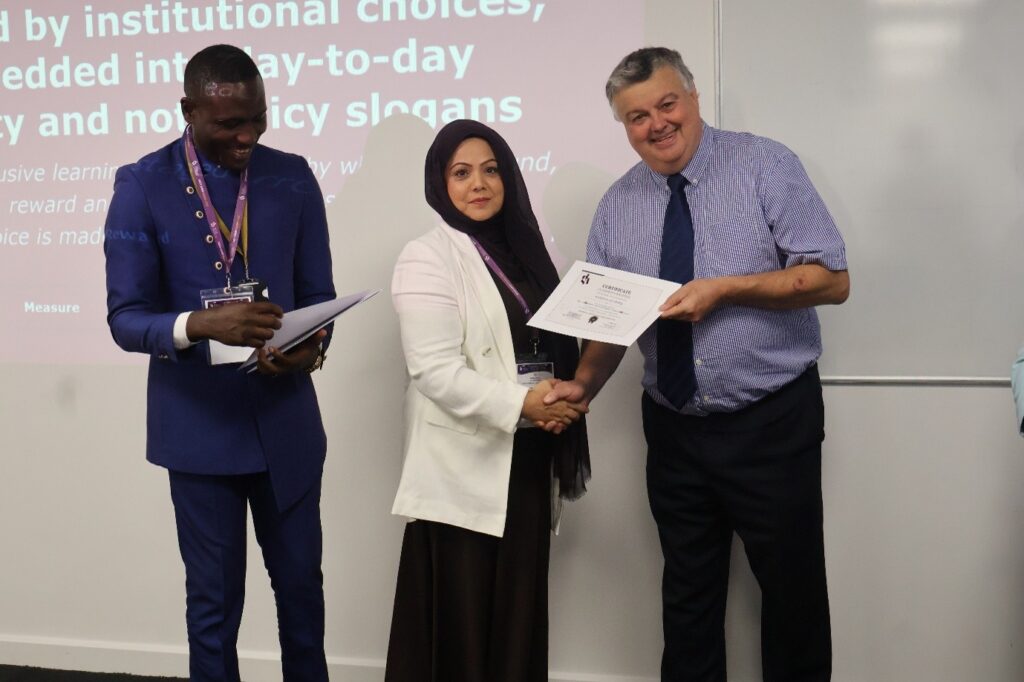
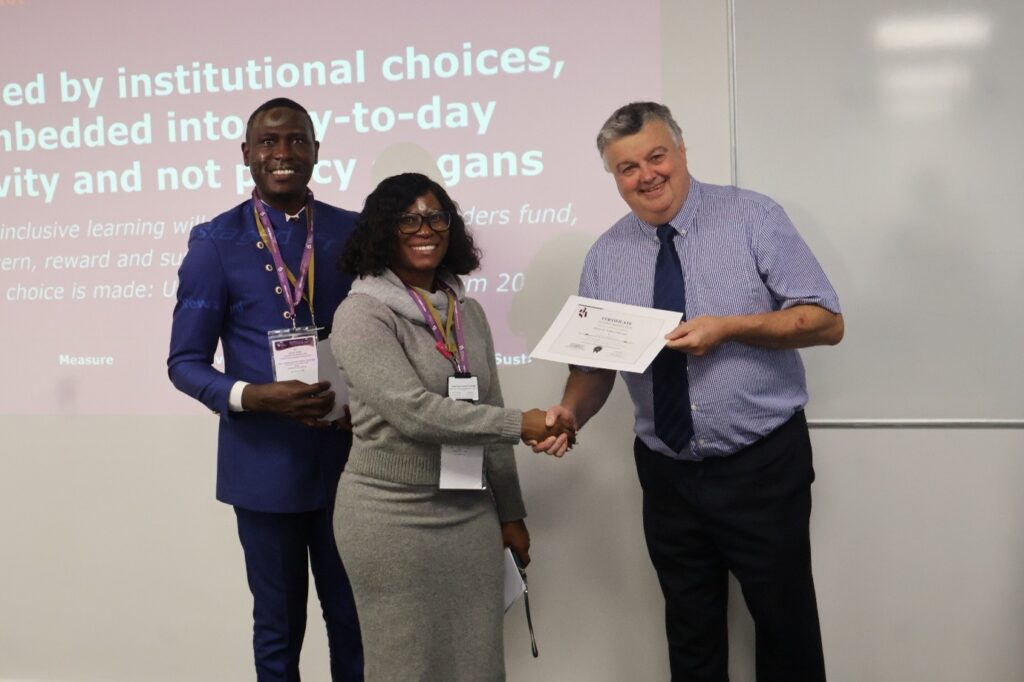
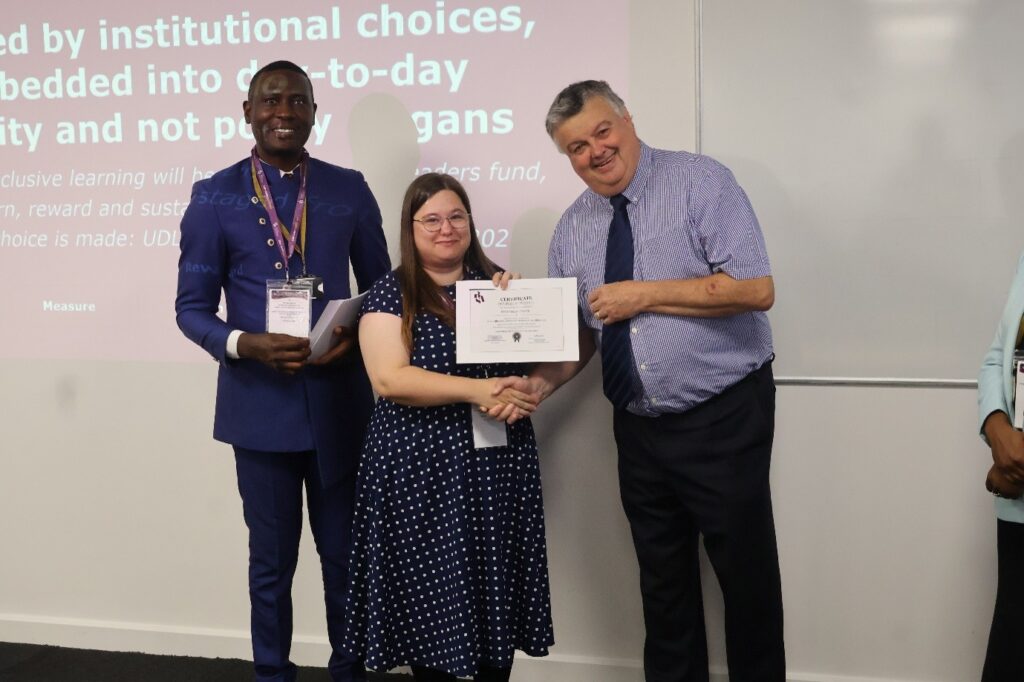
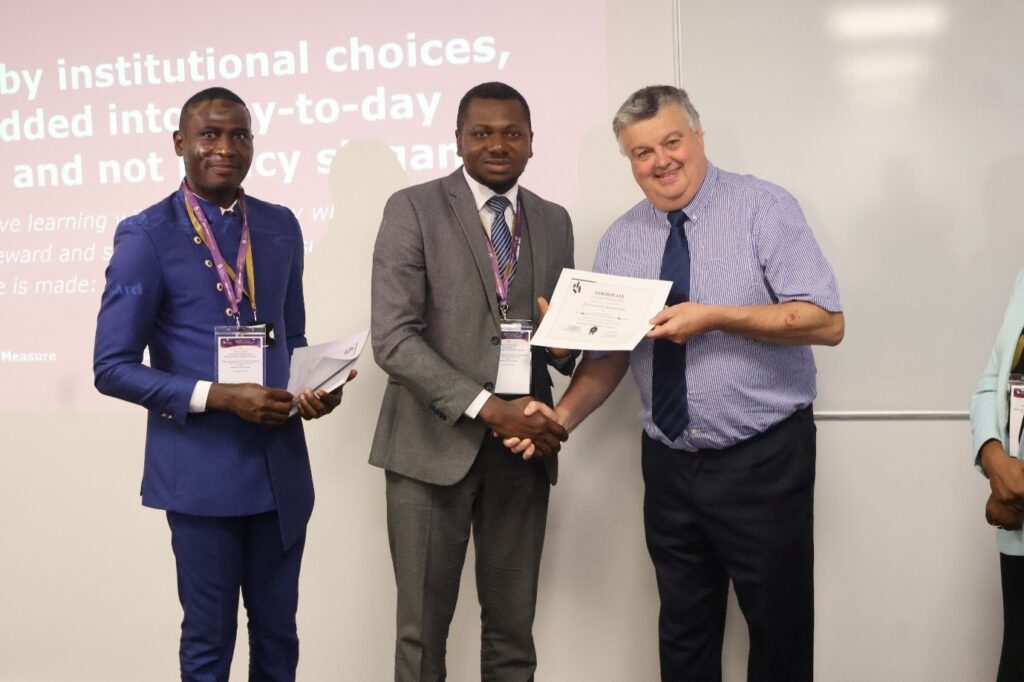
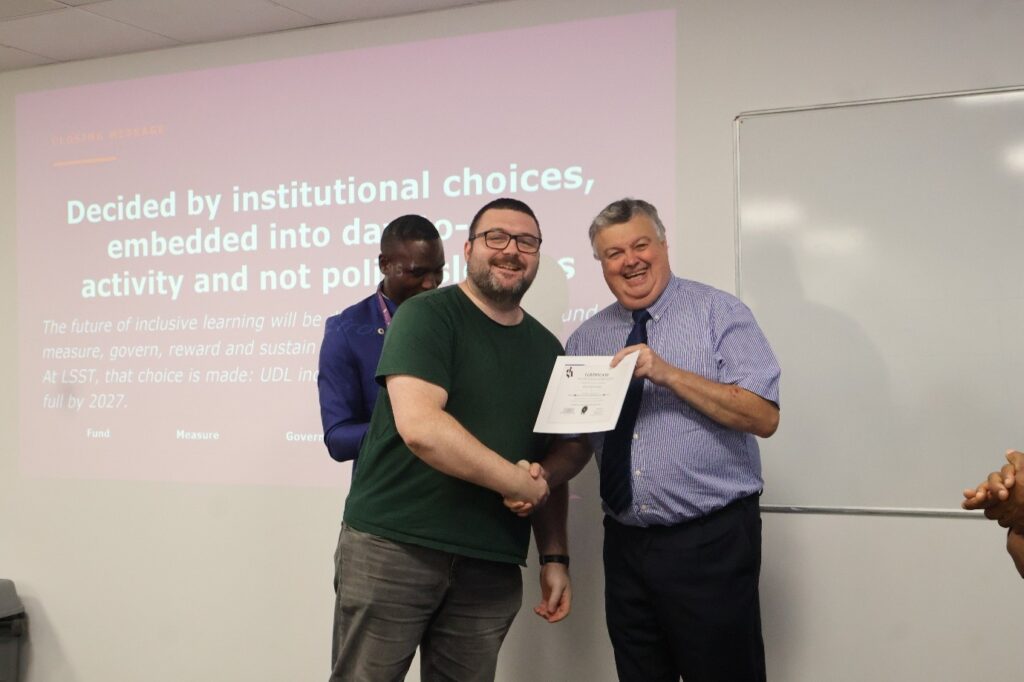
The symposium concluded with an award ceremony, where Dr Michael Demehin, Professor Paul McDermott and LSST Research Centre officials Dr Maryam Idris-Usman and Dr Ned presented certificates of presentation and participation to delegates. Delivering closing remarks, Dr Maryam Idris-Usman emphasised that the event marks the launch of ongoing collaborative research networks aimed at translating conference outcomes into scalable pedagogical practices across the UK higher education landscape.
We hope you enjoyed reading LSST News. Join our vibrant academic community and explore endless opportunities for growth and learning at www.lsst.ac/courses or via admissions@lsst.ac. Discover your path at LSST and embark on a transformative educational journey today. Think Higher. Think Further. Think LSST.
For additional information or interviews, please direct questions to LSST’s Public Relations Manager and Editor of LSST Life via kunal.mehta@lsst.ac.