High-impact LSST Birmingham programme demonstrates measurable outcomes in partnership with Birmingham City Council. Photo: LSST Birmingham.
A new employability initiative delivered by LSST in partnership with Birmingham City Council (BCC) has achieved a 68% progression rate into employment or further education for adults previously classified as Not in Education, Employment or Training (NEET).
With a cohort of more than 50 young adults, the Trailblazer programme (a new national initiative to reduce the number of NEET 18-21-year-olds) focused on intensive, individualised support. The result has been a high conversion rate into tangible progression pathways – alongside a significant number of participants achieving ILM-accredited qualifications, strengthening both confidence and formal leadership capability.
In an environment where NEET figures remain a sustained national concern, the outcomes reflect the value of focused intervention with structured mentoring alongside accredited development routes.
‘In my 25 years of experience, nothing beats one-to-one support when helping NEET young adults,’ explained Matt Garvey, Head of Further Education & Business Development. ‘Many of these young people have been through a carousel of courses, had their education blighted by the pandemic and feel left behind. Through coaching, we restore their confidence, sense of self-worth and focus.’
Raj Kandola, acting Deputy CEO at Greater Birmingham Chambers of Commerce, said: “Giving young people the skills, confidence and support to move into work or further training is vital for the long-term strength of the local economy. Initiatives like the Youth Guarantee Trailblazer play an important role in connecting young people with opportunities and helping employers build the future workforce they need. It is encouraging to see organisations such as LSST working with partners to create clear pathways into employment for the city’s young people.”
Measured Impact
Unlike broader volume-driven schemes, the Trailblazer model prioritised learner depth of engagement. Participants received tailored employability support, skills development and structured progression planning aligned to local labour market needs in Birmingham.
LSST’s Trailblazer 68% progression rate represents individuals who have either re-entered formal education or secured employment – a substantive transition from economic inactivity to structured opportunity.
In addition to employment and education outcomes, many participants completed Institute of Leadership & Management (ILM) accredited programmes at LSST, providing recognised certification that enhances both employability and progression potential.
What’s next for the Trailblazer?
The UK Government has committed nearly £1 billion to reducing the number of young people classified as NEET, yet youth unemployment remains above 10%, with artificial intelligence rapidly reshaping entry-level opportunities. In this context, LSST’s 68% progression rate offers tangible evidence of what focused, high-quality intervention can achieve.
As the current Birmingham cohort concludes, the priority now is continuity. Extending funding would enable more young adults to benefit from a model that has demonstrably moved participants from economic inactivity into employment or further education. Sustaining this momentum will be essential if meaningful progress is to be maintained across the region.
Matt Garvey, LSST’s Head of Further Education & Business Development, added: “Programmes like Trailblazer show what can be achieved when targeted support is combined with clear progression pathways. In a tough environment, the outcomes are significant. A 68% transition rate into employment or further education represents real impact – not just participation but measurable change in people’s lives.”
He added: “It is now vital that the Department for Work and Pensions move precipitously to continue funding for this priority. Many NEETs want to work or return to study and LSST can help them; we just need to be backed up by funding.”
Real Transition
The success of the Trailblazer initiative lies not simply in numbers but in progression.
In a challenging economic climate, small-cohort programmes with high conversion rates illustrate that impact is not solely defined by scale, but by sustained outcomes.
For participants at LSST, the programme has represented renewed direction, accredited achievement and re-engagement with the labour market.
As LSST continues its commitment to widening participation and supporting social mobility, initiatives such as Trailblazer demonstrate how targeted intervention, academic rigour and employer alignment can combine to deliver meaningful change.
Register Your Interest
Are you, or someone you know, aged 18–21, currently not in employment, education or training and residing in Birmingham?
The present Trailblazer cohort is nearing completion, having delivered measurable progression outcomes across the region. LSST is now engaging with partners and stakeholders to secure continued funding to extend this impactful provision to future cohorts.
Individuals wishing to be considered for forthcoming places are invited to register their interest via www.lsst.ac/fe.
Eligible applicants will be contacted should additional funded places be confirmed.
For additional information or interviews, please direct questions to LSST’s Public Relations Manager via kunal.mehta@lsst.ac.
We hope you enjoyed reading LSST News. Join our vibrant academic community and explore endless opportunities for growth and learning at www.lsst.ac/courses or via admissions@lsst.ac. Discover your path at LSST and embark on a transformative educational journey today.
ByMr. Muhammad Hamid Saeed, Lecturer in Business, LSST Luton
Walk into any LSST business classroom, and you will quickly notice something special: many of our students arrive straight from work shifts, family responsibilities, or entrepreneurial ventures. Some are managing retail teams, others supporting healthcare services, running online businesses, or balancing part-time roles while studying for a better future. As a Business lecturer at LSST, I have noticed that this reality is not a barrier to success; it is one of the institution’s greatest leadership incubators.
Instead of keeping work and study separate, LSST actively encourages students to bring their professional experiences into the classroom. Through practical modules, reflective assignments, and collaborative learning, students learn to transform their everyday challenges into opportunities for leadership development. This blog explains how working while studying at LSST becomes an influential advantage, shaping leaders who can handle pressure and make fair decisions from within our Business Management with Honours cohort.
A Different Kind of Business Student – and Why It Matters
Unlike traditional academic settings, where students often focus solely on theoretical learning, LSST classrooms are filled with individuals who are dealing with the daily grind of a workplace. Around 80% of my students work in hospitality, logistics, retail management, administration, or digital marketing roles. When we discuss organisational culture or team dynamics in modules such as Organisational Behaviour, the conversation is not abstract. Students compare leadership styles from their workplaces, debate real HR dilemmas, and evaluate how management decisions affect morale on the ground.
For example, one student in my cohort worked as a shift supervisor in a busy London restaurant. During a session on conflict management, she described a dispute between team members over rota fairness. The class analysed the situation using conflict resolution frameworks, and she later implemented a revised scheduling approach at work, returning the following week to share improved team morale and productivity.
This is a great example of Kolb’s theory that we learn best by doing, which highlights how concrete experiences deepen understanding when paired with reflection and conceptual learning (Kolb, 1984). At LSST, students’ employment is not seen as a distraction but as valuable data for developing leadership insight.
Time Management as a Leadership Skill – Not Just Survival
At times, it is really demanding to balance between employment and academic deadlines. Yet LSST’s structure helps students turn this challenge into an opportunity to cultivate strategic thinking and self-leadership. Modules frequently incorporate milestone planning, reflective journals, and staged submissions that encourage students to plan and prioritise effectively.
In the Personal and Professional Development elements embedded within our business programmes, students map weekly schedules that include work commitments, study time, and personal wellbeing. Instead of considering time management as a generic skill, lecturers encourage learners to evaluate how leaders manage competing priorities in real organisations.
One Business Management student who worked night shifts in security initially struggled with assignment deadlines. Through mentoring sessions, we redesigned his study plan using project management tools introduced in class. By the end of the semester, he not only improved his grades but also implemented similar scheduling methods at work to manage team coverage more efficiently.
Research suggests that working students often develop stronger organisational and self-regulation skills compared to peers who do not combine employment with study (Curtis and Shani, 2002). LSST’s learning environment amplifies this advantage by intentionally linking academic expectations with professional realities.
Turning Workplace Challenges into Classroom Case Studies
One of the most prevailing teaching strategies at LSST is encouraging students to use their own workplace experiences as live case studies. In modules such as Strategic Management and Business Environment for Business Management with Honours, students are invited to analyse their organisations’ responses to market changes, customer behaviour, or operational pressures.
Recently, a student employed in a logistics company shared how supply chain disruptions were affecting delivery times. Together with classmates, she mapped the organisation’s strategic response using SWOT and PESTLE frameworks taught during seminars. The result was not only a deeper understanding of theory but also a tangible improvement in her professional confidence. She later contributed strategic suggestions during a workplace meeting.
Such practices reflect Schön’s concept of the reflective practitioner, where professionals learn by analysing their own experiences and adapting behaviour accordingly (Schön, 1983). By integrating reflection into assessments, LSST ensures that students are not passive learners but active analysts of their professional environments.
Communication and Confidence Built Through Real Responsibility
Working students arrive with varied levels of confidence. Some have extensive professional experience but feel uncertain in academic discussions; others are confident speakers at work but unfamiliar with presenting research-based arguments. LSST’s assessment design bridges this gap through presentation tasks, peer feedback, and group leadership roles.
In the Entrepreneurship and Innovation module, students often draw inspiration from their workplaces to design business ideas or improvement strategies. One mature student working in a care home designed a digital scheduling system as part of her coursework. Presenting this idea to peers, many of whom worked in completely different industries, boosted her confidence and helped her refine her communication style for diverse audiences.
As Daniel Goleman (2000) pointed out, emotional intelligence and effective communication are what really drive leadership. At LSST, working students practice these skills daily, negotiating with colleagues at work and articulating ideas in academic settings, creating a continuous cycle of growth.
Agility Through Constant Adaptation
Agility is the main skill these students develop. Unexpected shift changes, workplace challenges, and academic deadlines require constant adaptation. LSST modules are intentionally designed to mirror this unpredictability.
During a recent Strategic Management simulation, students were presented with sudden “market disruptions” midway through group projects. Working students often excelled in these scenarios because they were accustomed to handling last-minute changes in real workplaces. One retail manager in my class led his group through a rapid pivot strategy, drawing directly on his experience managing sudden promotional campaigns at work.
Pulakos et al. (2000) highlight adaptability as a key dimension of performance in dynamic environments. By combining academic simulations with real-life work experience, LSST students learn to develop calm, creative, and solution-focused traits that future employers consistently seek.
Peer Learning: A Community of Shared Experience
LSST’s diverse student body creates a unique peer-learning ecosystem. In a single classroom, you might find a hospitality supervisor, a digital marketing assistant, a warehouse coordinator, and a small business owner. Group projects become opportunities for students to exchange industry insights and leadership approaches.
During a cross-cultural team assignment in my Business Management cohort, students used their workplace experiences to design an inclusive onboarding programme for a fictional company. A student working in recruitment contributed interview strategies, while another working in customer service emphasised emotional intelligence training. The collaborative process mirrored real organisational teamwork and strengthened leadership awareness across industries.
We learn from those around us, a concept Albert Bandura (1977) called social learning. LSST’s classrooms become living laboratories where students learn leadership not only from lecturers but from each other’s lived experiences.
Mentoring and Lecturer Support – Guiding the Working Student Journey
It is both important and challenging to balance work and study, which requires guidance as well as resilience. LSST lecturers play an active role in mentoring students, helping them connect academic concepts with professional growth. Regular tutorials allow students to discuss workplace challenges, career goals, and leadership aspirations.
In my own mentoring sessions, I have seen students transform from overwhelmed learners into confident professionals who see their jobs as platforms for leadership practice. One Business Management with Honours student who initially doubted his academic ability began applying marketing frameworks from class to his retail role. By the end of the year, he was leading promotional campaigns at work and mentoring newer employees, a clear example of leadership development in action.
Day et al. (2014) emphasise that leadership growth is most effective when supported by developmental networks. LSST’s emphasis on accessible lecturers and peer mentoring ensures students never get across their dual responsibilities alone.
Ethical Leadership Developed Through Real Decisions
Working students frequently encounter ethical dilemmas, from customer service challenges to workplace fairness issues. LSST integrates ethical analysis into coursework so students can critically examine these situations.
In a recent ethics seminar, a student described pressure from management to prioritise sales targets over honest product advice. Using ethical decision-making frameworks introduced in class, she analysed the situation and later implemented a more transparent customer approach. Her reflection assignment demonstrated how academic learning empowered her to lead with integrity in a real professional context.
Brown and Trevino (2006) argue that ethical leadership emerges through both moral awareness and practical decision-making. LSST’s approach ensures that ethics are not abstract principles but lived experiences connected to students’ daily work environments.
Leadership Identity: From Employee to Influencer
One of the best things to see is how working students begin to see themselves differently. At the start of the academic year, many identify primarily as employees juggling study commitments. By the end, they recognise their potential as leaders capable of influencing change.
Reflective assessments encourage students to track their development, noting moments when they led a morning briefing at work, introduced new ideas, or supported colleagues through challenges. These reflections help students connect their everyday actions with broader leadership competencies.
One Business Management with Honours student who worked in warehouse operations began the programme feeling disconnected from academic learning. Through reflective assignments and group leadership roles, he discovered that his problem-solving skills and operational insights were valuable leadership assets. By graduation, he had secured a supervisory promotion crediting LSST’s learning environment for reshaping his professional identity.
Conclusion: Why LSST’s Working Students Are Tomorrow’s Leaders Today
The LSST classroom is not a place where theory lives in isolation. It is a diverse group of peers where working professionals bring their experiences into dialogue with academic knowledge, creating a dynamic learning environment that translates to real-world applications. From time management strategies developed through real schedules to ethical decisions made on the job, LSST students transform everyday challenges into significant learning opportunities.
In my Business Management with Honours cohort, I have witnessed hospitality supervisors become strategic thinkers, retail assistants emerge as confident presenters, and logistics coordinators evolve into collaborative team leaders. Their journeys reflect LSST’s unique strength: an educational environment that recognises the working student not as someone stretched thin, but as someone already leading teams and solving problems every day.
By embracing the realities of modern learners’ jobs, responsibilities, and ambitions, LSST goes beyond enabling students for future leadership roles. It empowers them to lead today, in workplaces across London and beyond. These stories demonstrate resilience, adaptability, and ethical growth, highlighting why LSST continues to stand out as a place where tomorrow’s leaders are already taking shape.
References
Bandura, A. (1977) Social Learning Theory. Englewood Cliffs, NJ: Prentice Hall.
Brown, M.E. and Trevino, L.K. (2006) ‘Ethical leadership: A review and future directions’, The Leadership Quarterly, 17(6), pp. 595–616.
Curtis, S. and Shani, N. (2002) ‘The effect of taking paid employment during term-time on students’ academic studies’, Journal of Further and Higher Education, 26(2), pp. 129–138.
Day, D.V., Fleenor, J.W., Atwater, L.E., Sturm, R.E. and McKee, R.A. (2014) ‘Advances in leader and leadership development: A review of 25 years of research and theory’, The Leadership Quarterly, 25(1), pp. 63–82.
Goleman, D. (2000) ‘Leadership that gets results’, Harvard Business Review, 78(2), pp. 78–90.
Kolb, D.A. (1984) Experiential Learning: Experience as the Source of Learning and Development. Englewood Cliffs, NJ: Prentice Hall.
Pulakos, E.D., Arad, S., Donovan, M.A. and Plamondon, K.E. (2000) ‘Adaptability in the workplace: Development of a taxonomy of adaptive performance’, Journal of Applied Psychology, 85(4), pp. 612–624.
Schön, D.A. (1983) The Reflective Practitioner: How Professionals Think in Action. New York: Basic Books.
(L-R) Paul Lee, BA (Hons) Business Management Student, Tana Selatma, BA (Hons) Business Management Student, Romana Tabbassum, Business Lecturer at Elephant & Castle, Joyce, BA (Hons) Business Management Student, Jake Whyte, BA (Hons) Business Management Student, Ahmed Sayed Ahmed Elgeaidy, BA (Hons) Business Management Student. Photo: LSST.
By Romana Tabbassum, Lecturer in Business, LSST Elephant & Castle
Why Communication Matters in Higher Education
Effective communication between lecturers and students is a foundational element of academic success in higher education. Within Business programmes at LSST Elephant & Castle, communication is embedded intentionally into pedagogical design to enhance engagement, confidence and academic performance across Foundation, Level 5 and Level 6 study.
Educational research consistently affirms that learning is not solely cognitive but relational. Vygotsky’s social constructivist theory emphasises that knowledge develops through interaction, dialogue and guided participation. Similarly, Hattie’s research on visible learning identifies teacher clarity and feedback among the most influential factors affecting student achievement. These principles inform teaching practice across Business modules at LSST.
In a diverse academic community, where students enter from varied educational and cultural backgrounds, structured and purposeful communication supports belonging, progression and attainment.
(L-R) Romana Tabbassum Business Lecturer at Elephant &Castle, Naomi Davis BA(Hons)Business Management Student. Photo: LSST.
.
Establishing Foundations: Communication at Entry Level
Students entering Foundation programmes often demonstrate enthusiasm alongside uncertainty about academic expectations. Establishing clarity from the outset, particularly around assessment criteria, participation standards and professional conduct, supports transition into higher education.
Within modules such as International Business Studies, presentation-based assessments provide structured opportunities for students to develop academic voice and confidence. Clear marking rubrics, scaffolded guidance and formative feedback ensure that communication skills are developed systematically rather than informally.
This approach aligns with Nicol and Macfarlane-Dick’s principles of formative assessment, which emphasise that timely, specific feedback promotes self-regulation and academic growth.
The outcome is not simply improved presentation performance, but increased classroom participation and stronger peer learning dynamics.
(L-R) Romana Tabbassum Business Lecturer at Elephant &Castle, Naomi Davis BA(Hons)Business Management Student. Photo: LSST.
Communication as Structured Pedagogy in Level 5 and Level 6
As students progress to Level 5 and Level 6 modules, academic expectations become more complex and independent. Consistency in communication becomes increasingly important in supporting academic maturity.
Key strategies embedded across Business teaching include:
Active listening: enabling students to articulate academic concerns and questions.
Culturally responsive dialogue: recognising diverse perspectives in case discussions and group work.
Personalised formative feedback: linking comments directly to assessment criteria and progression.
Collaborative academic discussion: encouraging debate grounded in theory and real-world application.
Clear and consistent routines: reinforcing professional standards in attendance, deadlines and conduct.
Real-life business case studies are frequently used to connect theory with contemporary industry practice. This reflects Kolb’s experiential learning model, where students construct understanding through reflection on applied scenarios.
Level 5 BA (Hons) Business Management students at LSST (E&C) reflected:
Esther Conteh,BA (Hons) Business Management (Year 2), LSST (E&C)
“During lectures at LSST, we discuss modules in relation to real-life scenarios. We are motivated to debate and give our opinions, which inspires participation, even for those who usually shy away from speaking publicly.”
Belitha Ntontelo, BA (Hons) Business Management (Year 2), LSST (E&C)
“The teaching approach encourages active engagement and critical thinking. Real-life business examples and interactive discussions make complex topics easier to understand. The supportive classroom environment has helped me stay motivated and focused on achieving strong academic outcomes.”
Oritsegbubemi Gbenebitse, BA (Hons) Business Management (Year 2), LSST (E&C)
“The structured guidance and clear expectations within the module have significantly strengthened my academic confidence. The emphasis on feedback and discussion has helped me improve both my analytical skills and overall approach to studying. I have become more disciplined and focused in managing my assignments.”
Maria Nutu, BA (Hons) Business Management (Year 2), LSST (E&C)
“Lectures are delivered in a way that makes complex concepts accessible and engaging. Interactive discussions and constructive feedback create a positive academic environment where students feel encouraged to participate and think critically.”
Eugenia Calin, BA (Hons) Business Management (Year 2), LSST (E&C)
“Professionalism, clarity and consistent support throughout the module have strengthened my understanding of key business concepts. The structured communication and academic guidance have contributed positively to my overall learning experience.”
Paul Lee, BA (Hons) Business Management (Year 2), LSST (E&C)
“Returning to education as a mature student was challenging, but clear explanations and supportive feedback made the transition smoother. The teaching style has helped me develop confidence in tackling complex assignments and maintaining high academic standards.”
This illustrates how structured academic discussion strengthens both subject comprehension and confidence.
Such reflections demonstrate how intentional communication practices particularly benefit widening participation cohorts, including mature learners.
Communication, Professional Identity and Employability
In Business education, communication is not only a teaching strategy but a professional competency. The classroom functions as a rehearsal space for workplace communication: structured debate, accountability, collaborative problem-solving and constructive feedback mirror professional expectations in organisational contexts.
Bandura’s theory of self-efficacy suggests that confidence develops through mastery experiences and positive reinforcement. When students are supported through clear guidance and constructive dialogue, they build academic resilience and professional identity.
Importantly, the focus remains academic and collective rather than personal. Communication at LSST is framed around:
High expectations
Transparent standards
Respectful dialogue
Shared academic responsibility
This institutional approach ensures equity: quieter students, international students and those transitioning from Foundation level receive consistent clarity and encouragement.
(L-R) Samuel Kyibe Baah, BA (Hons) Business Management Student, Jorge Quizomba, BA (Hons) Business Management Student, Esther Conteh. BA (Hons) Business Management Student, Mihaela Druga. BA (Hons) Business Management Student, Romana Tabbassum (Business Lecturer at Elephant & Castle), Belitha Ntontelo, BA (Hons) Business Management Student, Maria Nutu, BA(Hons) Business Management Student, Eugenia Calin, BA(Hons)Business Management Student, IIdiko Havesi, BA(Hons)Business Management Student, Ulrich Angoua BA (Hons) Business Management Student, Ermias Mesfin, BA (Hons) Business Management Student. Photo: LSST.
Conclusion: Communication as an Institutional Commitment
At LSST Elephant & Castle, effective communication underpins Business education across all levels of study. Through structured dialogue, consistent expectations and evidence-informed pedagogy, lecturers create learning environments where students develop subject expertise alongside confidence and resilience.
Research and practice align in demonstrating that teacher clarity, meaningful feedback and respectful academic dialogue significantly enhance student achievement. Embedding intentional communication strategies within Business programmes ensures that students are not only academically prepared but professionally equipped for future careers.
Communication, therefore, is not an adjunct to teaching; it is central to student success.
References:
Hattie, J. (2009). Visible Learning: A Synthesis of Over 800 Meta-Analyses Relating to Achievement. London: Routledge.
Nodding’s, N. (2005). The Challenge to Care in Schools: An Alternative Approach to Education. 2nd end. New York: Teachers College Press.
Roorda, D.L., Koomen, H.M.Y., Spilt, J.L. and Oort, F.J. (2011). ‘The influence of affective teacher–student relationships on students’ school engagement and achievement: A meta-analytic approach’, Review of Educational Research, 81(4), pp. 493–529.
At the opening of the LSST Construction and Training Centre, the Mayor of Brent met LSST cohorts on the Painting and Decorating Skills Bootcamp, recognising learner commitment and dedication. Photo: LSST.
By Matt Garvey, Head of Further Education and Business Development, LSST Wembley
The new LSST Construction Training Centre marks the start of a major £1 million investment in skills, opportunity and local economic growth. By providing essential construction skills in the heart of a regeneration centre, we are matching the ambitions of our learners to the ambitions of a great world city.
Latest forecasts from the Construction Industry Training Board indicate that the industry will need to recruit approximately 239,000 additional workers between 2025 and 2029—around 47,900 new entrants per year—to meet projected demand and replace leavers: retirees and those moving to other sectors (CITB, 2025). With women, ethnic minority groups, those with a disability, and the younger and older ends of the age spectrum underrepresented in the sector, LSST can play a part in meeting these skills demands.
Why LSST’s Construction Training Centre
The LSST Construction Training Centre is our answer to the challenge of widening participation in the sector. It is a purpose-built environment designed to prepare learners with high-quality skills. It is also set in a culture that is accessible and friendly, opening doors to people who may have previously been denied opportunities to acquire skills and get their foot on the construction sector ladder.
The Painting & Decorating Skills Bootcamp: A Direct Route into Employment
This is a high-quality, hands-on programme that also combines the CSCS Green Card. LSST has built strong links with key employers in the sector and also provides guidance for learners to become self-employed. Our learners develop practical competence from highly qualified tutors who have worked in the sector. This is complemented by talks from employers and support in securing work.
Those currently on our Bootcamp are often:
1. Seeking a career change into a reliable and respected trade
2. Returning to the workforce after a break (like caring)
3. Those with experience but no structured specialist training
As many of our learners face obstacles to participation, LSST pays a £15 daily allowance to overcome financial obstacles, plus free breakfast and lunch to make learners feel valued and supported.
More Than Skills – Confidence and Career Direction
Every Skills Bootcamp learner has a guaranteed interview with a construction employer. We also provide support for learners to become self-employed, widening their options once the training programme has finished. Our first cohort has already begun attending apprenticeship interviews and providing quotes for self-employed contracts. It demonstrates the real purpose and impact of the LSST provision, which is to move learners quickly into work.
Apply Now – Build Something That Lasts
Opportunities in construction do not wait—and neither should ambition. Places on the Painting & Decorating Skills Bootcamp are limited, and demand is high. I encourage anyone considering a future in construction, or seeking a practical route into stable, meaningful employment, to apply now. LSST can only meet the demand that the funding from the GLA permits, and all Skills Bootcamps must conclude their training by 31 March 2026.
London is a place that never stands still, and that is as true for the skyline as the people who live here. However, not everyone enjoys the opportunity to participate in the renewal of the city, and that is where LSST comes in. We unlock the potential of citizens who, for too long, have been told construction is not for them. By offering accessible and high-quality training, our Skills Bootcamps are enriching the sector and giving new hope to all communities in this great city.
(l-r):Domingos Dibanzilua, BA (Hons) Business Management student, Dr Leanne Thi Thao Oanh Bach, Business lecturer at LSST Elephant and Castle, and Fatima Pereira, BA (Hons) Business Management student at LSST Elephant and Castle. Photo: LSST.
By Dr Leanne Thi Thao Oanh Bach, Lecturer in Business and Module Leader, LSST Elephant & Castle
Mature Learners: A Broad Definition, Many Pathways
For many young adults, starting higher education is an important milestone, often marking a shift from living dependently at home toward greater independence. For mature students, however, beginning an undergraduate degree can carry a different meaning. Rather than representing a first step into adulthood, it is often a deliberate and transformative decision shaped by prior life, work, and family experiences.
In line with the national strategy for access and student success, the Office for Students (2020) defines mature students as those aged 21 or over when starting their course. This broad category includes learners of diverse ages, backgrounds, and needs. Mature students have long been central to widening participation in UK higher education. The 1987 HE: Meeting the Challenge strategy encouraged universities to admit more non-traditional learners, particularly those entering later in life. Ensuring fair access and participation for this group is therefore crucial for social mobility, as higher education offers a second chance to those who missed out earlier or for whom university was not the right option immediately after leaving school (Office for Students, 2020).
In the academic year 2023/24, UK higher education student enrolment stood at approximately 2.90 million, with new entrant numbers slightly declining compared with the previous year (HESA, 2025). Recent participation metrics indicate that mature student participation in higher education has risen from around 25.5 % in 2018/19 to around 29.9 % in 2024/25 (Advance-he.ac.uk, 2025)
Figure 1. HE student enrolments by age groups
Table 1. HE student enrolments by age groups
Source: Created by the author, based on data in Higher Education Statistics Agency (HESA), 2025. Higher Education Student Statistics 2023/24. [online] Available at: https://www.hesa.ac.uk/news/20-03-2025/sb271-higher-education-student-statistics/numbers [Accessed 19 January 2026].
Mature learners don’t walk into a lecture hall as blank slates; instead, they arrive with a wealth of “hidden” credits earned through years of professional and personal experience (Hubble and Bolton, 2021).
Many universities formally recognise learning gained from work or life experience through Accreditation or Recognition of Prior Learning (APL/RPL) , which allows students to claim academic credit or advanced standing for prior certificated or experiential learning where it meets equivalent learning outcomes and quality standards. This approach is supported by the UK Quality Code for Higher Education (2024), thelatest sector-agreed framework that underpins institution-level policies on admissions, academic standards and the recognition of prior learning in UK higher education. This means your past is not just a background; it is a head start that proves the classroom is not the only place where high-level learning happens.
Mature learners play a crucial role in Higher Education, as they often approach their studies with strong motivation, valuable life experience, and a clear determination to succeed, all of which contribute to a richer and more diverse student community (Office for Students, 2020). Beyond just their resumes, mature students bring a positive energy to the student body, as they often make significant sacrifices to be there. They arrive with a fierce commitment to excel and a level of motivation that enriches the entire academic environment.
We often refer to these students as “returners” – individuals who have stepped away from formal education only to return with a sharper perspective. In the classroom, this professional history acts as a bridge between abstract theory and reality (Pearce, 2017). While a younger student might look at a management theory as a concept on a page, a mature learner can ground that theory in a real-world case study from their own career, turning a quiet seminar into a dynamic exchange of practical insights (Hubble and Bolton, 2021).
Why Mature Learners Often Thrive in Discussion-Based Learning
Not all learning is about memorising facts or passing exams. In seminars, workshops, and case studies, what really matters is insight, how ideas are explored, questioned, and applied. Discussion-Based Learning is an approach to teaching where learning takes place primarily through conversation, dialogue, and shared reflection, rather than through lectures and memorisation alone (Biggs and Tang, 2011). It allows students to draw on work, life, and professional experiences to enrich discussions, making learning more relevant and engaging. This discussion-based approach helps create an inclusive environment in higher education, especially allowing mature learners to feel confident sharing their professional and life experiences as they engage with new ideas (Brookfield, 2013).
Mature students frequently ask more reflective questions, connect theory to real-world situations, and help others see the bigger picture. Adult learning research suggests that learners with practical experience are particularly effective at making meaning through dialogue, reflection, and problem-solving rather than surface learning (Kolb, 1984; QAA, 2014). These contributions can deepen understanding not only for mature learners themselves, but for their peers as well.
Mature Learners’ Voices in Discussion-Led Classrooms
During interviews with my mature students at LSST, I asked: “Have you ever shared a real-life example in class that helped others understand the topic?”. Domingos Dibanzilua, a final-year BA (Hons) Business Management student and experienced chef manager, reflected on how his professional background informed his learning during the Developing Leadership and Management Skills module. He explained:
“When I manage my team, communication is key. You need to know how to communicate with different people. Some people work better when you talk to them one to one, while others prefer group discussions. You also need to understand the strengths and weaknesses of each person.”
He went on to say that sharing these experiences in class made him feel proud, not only because he had achieved his own goals, but because “helping others to reach their goals and potential is just as important.”
I have noticed the visible impact of Domingos’ real-world examples on class engagement. Younger students engage more deeply, ask follow-up questions, and make connections to real-world scenarios. It is a clear example of how mature learners enrich classroom discussions [LTTO5] and help their peers see how theory comes alive in practice.
When classrooms bring together multiple perspectives, learning becomes richer and more engaging. Applied and discussion-led environments value collaboration, critical thinking, and lived experience, which can create space where mature learners are not simply keeping up, but actively shaping the learning experience.
Recognising the Challenges Alongside the Strengths
While mature learners bring significant strengths to higher education, it is just as important to acknowledge the challenges they often face when returning to study. Many juggle academic work alongside employment, family responsibilities, and caring roles, which can place considerable demands on their time and energy. Unlike traditional school-leaver students, mature learners frequently have less flexibility in how and when they can study, making time management both essential and challenging.
Alina Bors, Student Ambassador and BA (Hons) Business Management with Foundation student at LSST Luton, shared her personal journey: “As a full-time mother and wife, I once believed there was no time left for me to do anything else. My days revolved around caring for my family, a role I loved deeply, but over time, I lost touch with my own ambitions. I felt anxious, stuck, and unsure of who I was beyond being a mother. The thought of returning to education terrified me. I worried about balancing responsibilities and whether I was still capable of studying after so many years away from school.”
As a lecturer at LSST, where the majority of our students are mature learners, I see this reality every day. In conversations before or after class, students often share how they move between work shifts, family commitments, and assignment deadlines, sometimes all within the same day.
For some students, rebuilding confidence with digital learning platforms and academic conventions can also take time, especially after long periods away from formal education. Navigating virtual learning environments, online submissions, and digital research tools can initially feel unfamiliar or overwhelming.
Recognising these challenges isn’t about lowering expectations, it’s about creating learning environments that are inclusive and supportive. At LSST, our commitment to inclusive teaching, highlighted in reflections from both faculty and students, shows how thoughtful support can make a real difference. Guided introductions to digital tools, flexible assessment options, and opportunities for group discussion all help mature learners turn their professional and life experience into academic confidence.
In my experience, once mature learners regain familiarity with academic systems and develop effective study strategies, their resilience, motivation, and life experience become powerful drivers of success, enhancing not only their own learning, but the classroom experience as a whole. With the right support and inclusive teaching practices, what initially seems like a barrier often becomes a stepping stone to meaningful achievement.
From Workplace Experience to Academic Credit: What I See in the Classroom as a lecturer
As a lecturer, one of the most rewarding things I have been observed is how mature students gradually learn to translate their workplace experience into strong academic work. Many arrive unsure whether their professional background will “count” at university. Over time, through reflection, they begin to see that their experience is not separate from academic learning, it is central to it.
Jacqueline Harris, one of the BA (Hons) Business Management students interviewed, reflected on this development, saying:
“I have improved a lot since day one. Doing the actual work and bringing my experience into academic writing has become much easier. I’ve definitely come a long way.”
Domingos Dibanzilua also shared how his confidence has grown through the course, particularly in communication:
“Before I started this course, my communication skills weren’t very strong. Studying here helped me develop skills that were once a weakness. I feel great now because I can communicate much more effectively with my team.”
Figure 2. Turning experience into Insights and Growth
Source: Created by the author.
From my experience, mature students gain a significant advantage when they draw on their work and life experience in reflection-based assignments. I have seen mature students reflect on their experience of managing teams and link it directly to leadership and management theories. For example, students reflect on how they have motivated staff, handled conflict, or made decisions under pressure, and then connect these experiences to models of leadership they encounter in their studies. What begins as a practical story becomes a thoughtful academic analysis.
Others use skills they have developed at work in equally powerful ways. Students who have spent years presenting ideas, leading meetings, or communicating with clients often excel in presentation-based assessments. Their confidence, clarity, and ability to engage an audience are skills honed long before entering higher education and these strengths become visible in assessed presentations.
What makes the difference is not the experience alone, but the reflection that sits behind it. Through reflective writing, students move from describing what happened to analysing why it mattered and what they learned. This shift is something we actively teach and support. It is not something students are expected to already know how to do.
Based on my observations as a lecturer, once mature learners realise that reflection turns lived experience into academic insight, their confidence grows quickly. They begin to recognise that their professional journeys are not a barrier to success in higher education, but they are a foundation for it.
These classroom observations are reflected in wider student experiences at LSST Elephant & Castle. One such example is the journey of Marcia Cunningham, a BA (Hons) Business and Management student, who overcame personal and structural barriers to become the published author of four novels while studying for her degree.
Speaking at an event in Elephant & Castle’s auditorium, Marcia reflected on her initial relationship with higher education, explaining:
“Before LSST, I felt intimidated by higher education. I didn’t think people like me could thrive in that space academically or as an author.”
Now in her sixties, and after years of believing her manuscripts would remain unseen, Marcia has achieved a remarkable milestone, publishing four novels and continuing to develop new work. She attributed this transformation to the supportive learning environment at LSST, adding:
“But my LSST lecturers made learning supportive and very empowering. They removed the fear I had – and replaced it with confidence – and that confidence propelled me to publish my book series.”
Similarly, another BA (Hons) Business Management student at Elephant and Castle campus, Marcus Odonkor secured his graduate role directly through the LSST Careers Fair, demonstrating how maturity, preparation, and reflective engagement with employability support can translate learning into professional success. He expressed:
“I would like to thank The Most High and everyone at LSST Elephant and Castle for making this opportunity possible for me. It has propelled my confidence and purpose in life.”
Although mature learners follow diverse pathways, their experience, when recognised and supported, becomes a powerful driver of growth rather than a barrier, enabling them to connect real-world knowledge with academic theory, develop confidence, engage meaningfully in classroom dialogue, and achieve tangible personal, academic, and professional successes. This combination of reflection, practical insight, and purposeful engagement demonstrates that returning to study later in life is not a step backwards, but a deliberate and empowering choice.
It’s Never Too Late to Learn – It’s the Right Time
As part of my conversations with mature students, I asked one final question:
“What would you say to someone who thinks they’re ‘too old’ or that it’s ‘too late’ to study?”
Without exception, their responses carried the same message – It is never too late. Students spoke about choosing education for themselves, on their own terms, and at the right time in their lives. For many, returning to study was not about following a traditional timeline, but about recognising readiness, purpose, and confidence. As one student powerfully expressed, “Never underestimate yourself. You can learn at any age, even at 60, if you are working towards something meaningful for yourself.”
Returning to education later in life can feel daunting. Many mature learners arrive with questions about whether they belong, whether they are “too late,” or whether their experience will truly count in an academic setting. What stood out was the shift in perspective. Rather than seeing age as a disadvantage, students described it as a source of clarity. They knew why they were studying, what they wanted to achieve, and how to use their experience to support their learning. Studying later in life was not a step backwards, but a deliberate and empowering choice.
From my experience as a lecturer, this mindset really marks a turning point. Education does not have an expiry date, and neither does potential. For mature learners, the classroom becomes a space where past experiences are not left behind, but transformed into insight, growth, and academic success. If you have lived it, reflected on it, and learned from it, you are not behind, you are ready.
Lewis, J., West, A., Roberts, J. and Noden, P. (2016) The experience of coresidence: young adults returning to the parental home after graduation in England . Families, Relationships and Societies, 5(2), pp. 247–265.
By Radu Furnica, Business & Management student (Year 2), LSST Luton
Before I stepped into formal leadership, I was learning to lead on a very different stage: the tennis court. To me, leadership is about composure under pressure, confident decision-making, and inspiring others through example. These qualities weren’t taught in a lecture hall; they were forged through sweat, setbacks, and long rallies across green, sometimes muddy, grass.
In tennis, every point demands a decision: go for the risky winner or play it safe, serve down the T or out wide. There is no pause button, only the courage to commit. Over time, I realised that what I was practising wasn’t merely technique – it was decision-making under pressure, emotional control, and the ability to reset after mistakes. Tennis didn’t just teach me how to play and win; it taught me how to think, adapt, and lead myself before leading others.
Research confirms this connection between sport and leadership. Athlete Leadership Development Within Teams: Current Understanding and Future Directions (Frontiers in Psychology, 2022) explains that leadership often emerges in moments where emotional, strategic, and decision-making factors collide. Those moments are etched in my memory: staying calm after a double fault, encouraging a doubles partner after a missed volley, or adjusting tactics mid-set. These experiences laid the foundations for my leadership: adaptability, resilience, and communication skills I carried long before I ever entered a meeting room.
Translating Tennis Lessons to LSST Roles
Today, I serve as both a Student Ambassador and Class Representative at LSST Luton, supporting students academically and socially. Whether I’m mentoring a student or rallying on the court, I experience the same spark: happiness surrounds me, and I enter what I call the “triple Fs” state – focused, fulfilled, and fully present.
One clear example of tennis-inspired thinking occurred at the LSST stall in Luton Mall. On my first day, everything clicked: I engaged prospective students confidently, showcased LSST’s offer, and felt in control. The next day, unexpected changes required me to reframe my pitch immediately. There were no timeouts – just like in a mid-rally shift. I improvised, adapted, and reshaped my approach on the spot, maintaining clarity and confidence. This was agile communication in action.
Research from the International Journal of Sports Science & Coaching (2022) shows that athletes develop adaptive communication and emotional regulation in competitive environments, exactly what I experienced in that real-time scenario.
Another moment came as a Class Representative during discussions on workload and deadlines. Tensions ran high, with students frustrated and staff balancing academic standards with wellbeing. It felt like a tie-break in a deciding set. Rather than reacting emotionally, I drew on emotional intelligence, as described by Goleman (2007): recognising my own feelings, reading the room, and responding in a way that connected rather than alienated. I listened carefully, summarised concerns, and communicated them respectfully to staff, while also helping peers understand the staff perspective. It was the same skill honed on the court: reading the “opponent,” anticipating reactions, and choosing the right shot—not to win against someone, but to advance the rally.
Academic Insights Supporting Leadership Through Sport
Resilience, empathy, and self-awareness are cornerstones of effective leadership, and research confirms their development through sport. Goleman’s work on emotional intelligence explains why certain decisions—on court and in leadership—felt instinctively “right”: they reflected deliberate management of emotions, perception of others, and alignment with values.
Similarly, Frontiers in Psychology (2022) highlights that leadership is not reserved for captains or star players; it emerges through communication, role-modelling, and supporting others under pressure. At LSST, leadership is not about titles—it’s about showing up for others, whether that means explaining policy changes, calming anxious students, or encouraging quieter classmates to contribute.
Sarkar and Page (2022, Journal of Sport Psychology in Action) further reinforce this point: resilience and perseverance developed in sport transfer directly into other domains. Losing a match and learning to reset is mirrored in academic leadership, where setbacks—low engagement in events, delayed policy changes, or unmet expectations—demand reflection, adaptability, and renewed effort.
The Emotional Core of Leadership
“You have to believe in yourself when no one else does—that makes you a winner right there.” – Venus Williams
Defeat is an inevitable part of tennis, and one match remains vivid in my memory. I was leading comfortably, then began making unforced errors. Confidence collapsed, and I lost not just the set but my composure. Walking off the court, I felt embarrassed, frustrated, and disappointed. It wasn’t simply losing; it was letting my own standards slip.
This experience taught me that resilience is not a motivational slogan – it is sitting with discomfort, acknowledging mistakes, and returning to the challenge anyway. Sarkar and Page (2022) describe this process as central to athlete development: facing, not avoiding, difficult moments.
Being a Class Representative echoes this. Not every plan succeeds, not every solution is a “match point.” Low engagement, unresponsive policies, or miscommunications are common. Yet, like in tennis, I’ve learned to reflect, adjust, and return with clarity and determination. As Billie Jean King reminds us, “Champions keep playing until they get it right.” Leadership, like tennis, is a series of rallies – some won, some lost – but all meaningful if you keep learning.
Philosophical Reflection
Tennis and student life share more than pressure and strategy; they teach sportsmanship, fairness, and ethics. On the court, you respect opponents, accept calls, and own mistakes. Off-court, this translates to treating classmates fairly, representing all voices, and being honest when you don’t have all the answers.
Leadership, like tennis, is not about controlling everything—it’s about controlling your mind and reactions. It is about anticipating, focusing, balancing ambition with humility, and competing without sacrificing integrity.
To my fellow LSST peers: find your own “court.” Embrace leadership in everything you do – sport, study, or student representation—and let these lessons guide you in the game of life.
And yes, sometimes, the most profound insights come not from a lecture hall or boardroom, but from a tennis court.
References
Cotterill, S. T., Loughead, T. M. & Fransen, K., 2022. Athlete Leadership Development Within Teams: Current Understanding and Future Directions. Frontiers in Psychology, Volume 13.
Goleman, D., 2007. Emotional Intelligence. 10th ed. New York: Bantam Books.
Sage, 2025. International Journal of Sports Science & Coaching. Sage, 20(5).
Sarkar, M. & Page, A. E., 2022. Developing Individual and Team Resilience in Elite Sport: Research to Practice. Journal of Sport Psychology in Action, 13(1), pp. 40-53.
Mr Syed Rizvi, Dean of Learning and Teaching and Academic Dean of LSST Elephant & Castle and LSST Stratford, is now a Principal Fellow of AdvanceHE. Photo: LSST.
LSST is delighted to announce that Mr Syed Rizvi, Dean of Learning and Teaching and Academic Dean of LSST Elephant & Castle and LSST Stratford, has been awarded Principal Fellowship (PFHEA) of AdvanceHE. This prestigious national recognition represents the highest level of professional distinction in leadership in learning and teaching and places Mr Rizvi among just over 2,000 Principal Fellows worldwide.
Mr Ali Jafar Zaidi, LSST’s CEO, said: “Within the UK higher education landscape, Principal Fellowship of AdvanceHE remains a rare distinction, held by a select cadre of senior academic leaders. It recognises not only individual pedagogic authority but also LSST’s capacity to build reflective practice and sustained enhancement of the student learning experience. For LSST, this achievement signals our growing influence within national conversations on teaching excellence and professional development.”
Louise Lumsden, Head of Fellowships at AdvanceHE, said, “Congratulations to Syed.”
“AdvanceHE’s Principal Fellowship recognises and supports outstanding strategic leadership in teaching and learning across global higher education. With only just over 2,000 Principal Fellows around the world, it is a category of Fellowship that honours academic leaders who drive excellence, innovation and lasting influence in higher education.”
“Our community of Principal Fellows plays a crucial role in enhancing student outcomes across the sector. Through their strategic leadership and commitment to sharing innovative practices, they’re actively shaping how institutions approach teaching and supporting learning. The collaborative nature of the community means that successful strategies are shared and adapted across institutions globally.”
“As higher education continues to evolve, Principal Fellows are at the forefront of strategic innovation in teaching and learning, ensuring that student success remains at the heart of institutional development.”
Reflecting on his award, Mr Syed Rizvi said: “This recognition is deeply meaningful, not as a personal honour, but as a testament to the collective commitment to teaching excellence across LSST. The Principal Fellowship recognises sustained leadership and impact and I am proud to contribute to an institution that places learning, inclusion, and student success at the heart of everything that it does. The true value lies in empowering colleagues and, ultimately, enhancing the LSST student experience.”
Principal Fellowship is reserved for senior leaders who demonstrate strategic vision, sustained influence, and long-term impact on learning and teaching across institutions. With over 25 years of experience in higher education and 14 years at LSST, Mr Rizvi’s award reflects his enduring contribution to academic leadership, educational quality, and student-centred practice at the highest level.
As Dean of Learning and Teaching, Mr Rizvi provides strategic direction for LSST’s academic framework, ensuring that teaching practices are coherent, evidence-informed, and aligned with national benchmarks. His leadership shapes institutional approaches to assessment, feedback, curriculum design, and professional development, with a consistent focus on inclusive, reflective, and innovative pedagogy.
A defining feature of Mr Rizvi’s impact is his ability to translate strategic vision into tangible improvement across the institution. Through mentoring, structured development initiatives, and active engagement with colleagues, he ensures that LSST staff are supported in aligning practice with the UK Professional Standards Framework (UKPSF). This approach has strengthened teaching quality, a culture of confidence and academic reflection throughout LSST, and led to NSS scores of 94.5% for Teaching Satisfaction in 2025.
For additional information or interviews, please direct questions to LSST’s Public Relations Manager and Editor of LSST Life via kunal.mehta@lsst.ac.
We hope you enjoyed reading LSST News. Join our vibrant academic community and explore endless opportunities for growth and learning atwww.lsst.ac/courses or via admissions@lsst.ac. Discover your path at LSST and embark on a transformative educational journey today.Think Higher. Think LSST.
The Mayor of Brent with (l-r) Cllr Mili Patel, Deputy Leader of Brent Council, Krupesh Hirani AM, London Assembly Member for Brent and Harrow, and Mr Ali Jafar Zaidi, LSST’s CEO, with (front of ribbon) LSST Skills Bootcampers in Painting and Decorating, Kelly Grant and Shakiya Grant of Wates Property Services and Morgan Clarke of ETEC Group (Woman) and Tim Mettis from Hounslow Borough Council. Photo: LSST.
LSST has officially unveiled its new Construction Training Centre in Wembley (London), marking the start of a major £1 million investment in skills, opportunity and local economic growth. Based at LSST’s Wembley High Road Campus, the purpose-built, LSST-funded facility has been established to address acute construction skills shortages and widen participation across Brent and the wider London area, creating clear progression routes for local talent into sustainable employment while supporting employers with job-ready talent.
Funded by the Greater London Authority (GLA), Skills Bootcamps are helping to shape the future of London, and LSST, as a delivery partner, is proud to support this investment in construction training.
Building futures and not just skills. The Mayor of Brent meets LSST cohorts on the Painting and Decorating Skills Bootcamp, recognising learner commitment and dedication. Photo: LSST.
The new centre, developed to support local regeneration while remaining accessible to Londoners city-wide, opens with LSST’s first GLA-funded Skills Bootcamp in Painting and Decorating, welcoming an inaugural cohort of 15 adult learners from across London. The facility combines a dedicated theory classroom, modern changing and locker rooms, and a fully equipped construction training area, offering learners a professional, work-ready environment aligned with employer demand.
A moment of civic distinction as the Mayor of Brent stands before his honorary plaque with Mr Ali Jafar Zaidi, CEO of LSST. Photo: LSST.
LSST is expanding its offering with painting, plastering, tiling and multi-trade programmes, helping adults into employment and self-employment. The provision aims to directly support regeneration priorities in Brent and neighbouring boroughs, where over 8,500 new homes are planned by 2027, backed by more than £2.5 billion in investment and a growing demand for skilled trades across all stages of construction.
The Mayor of Brent tours LSST’s Construction Training Centre with Mr Festus Louis, Associate Dean of LSST Wembley. Photo: LSST.
Brent’s Commitment to Construction, Community and Careers
Opening the centre, the Mayor of the London Borough of Brent, Councillor Ryan Hack, said: “It is a great privilege to open LSST’s Construction Training Centre – a facility that will not only deliver essential, work-aligned skills to learners, but will also strengthen our capacity to grow, innovate and compete in one of the UK’s most vital economic sectors.”
“This Centre is more than bricks and mortar. It is a commitment to community, to opportunity, and to unlocking the talents and potential that already exist across this borough. By equipping learners with high-quality, employment-focused training, LSST is helping to fill critical skills gaps while empowering individuals with the confidence and competence to build careers that drive growth across the UK.”
Barry Gardiner MP for Brent West said: “The opening of LSST’s Construction Training Centre is a welcome and necessary boost to our national drive to tackle skills shortages and strengthen employment in one of the most vital sectors of our economy. By equipping learners with high-quality, work-aligned training, LSST is not only filling crucial gaps in the construction workforce but also empowering individuals with careers that will drive growth across the UK. I commend LSST’s commitment to expanding opportunity and building confidence in tomorrow’s workforce.”
Krupesh Hirani AM praises the centre’s contribution to Brent and its potential to connect local people with skills and jobs. Photo: LSST.
Krupesh Hirani AM, London Assembly Member for Brent and Harrow, said: “LSST’s ambition and impact are truly inspiring. Their commitment to transforming lives was recently recognised at City Hall, where they won the ‘Distinguished Provider of Adult Education’ award at the Mayor of London’s Adult Learning Awards. By tackling the skills gap head-on and providing clear pathways into work, LSST is proving itself as a driving force for opportunity and growth across Brent and beyond.”
Cllr Muhammed Butt, Labour Leader of Brent Council, said: “I am proud to see this new Construction Training Centre open in Wembley, at the heart of one of the fastest growing parts of our borough. Brent is a place that builds not just homes, but futures, and this centre captures that ambition perfectly.”
Cllr Mili Patel, Deputy Leader of Brent Council, speaking at the event, emphasised the centre’s importance in strengthening local skills, opportunity and community collaboration. Photo: LSST.
Cllr Mili Patel, Deputy Leader of Brent Council, said: “I am proud to see the opening of LSST’s Construction Training Centre in Wembley, which represents a vital step in tackling skills shortages while creating real opportunities for local people. By delivering high-quality, work-aligned training and clear pathways into employment, LSST is strengthening the construction workforce and transforming lives. This centre connects residents directly to the regeneration taking place on their doorstep, helping them build lasting careers, support their families and contribute to the future growth of Brent and beyond.”
Across Wembley, Neasden, Staples Corner and Alperton, we are delivering transformational regeneration with thousands of new homes coming forward. But the true measure of success is what that means for people. A good job, a real skill, a chance to provide for your family and build something lasting for the next generation.
This centre gives residents that opportunity. It links local people directly to the work being created on their doorstep and to the enduring legacy of house building in Brent. We are proud to be a borough that builds houses and opportunities, side by side.”
Optimism for Construction Growth
Mr Ali Jafar Zaidi, CEO of LSST, said: “With so many skills shortages, it is time for the construction industry to be repaired and built back itself. I couldn’t be prouder to see our centre open because we know that skills change lives. By aligning high-quality training with real labour market needs, LSST is creating clear routes into sustainable employment while supporting London’s long-term growth.”
From strategy to skills – Charlie Tennant, LSST’s Vice Principal, gets hands-on at the opening of LSST’s Construction and Training Centre. Photo: LSST.
Charlie Tennant, Vice Principal of LSST, added: “This centre embodies our philosophy that confidence and capability are cultivated through access to the right facilities, expert teaching and training, and meaningful opportunities. It is designed to equip learners not just to qualify, but to thrive.”
Matt Garvey, Head of Further Education and Business Development at LSST, leads students and guest delegates on an immersive tour of the Construction Training Centre, showcasing hands-on learning and practical skills in action. Photo: LSST..
Matt Garvey, Head of Further Education and Business Development at LSST, said: “Skills Bootcamps for underrepresented groups offer access into the construction sector. As we move forward, we aim to achieve gender parity among our cohorts of learners and to have strong representation of individuals from ethnic minority backgrounds, those at different ends of the age spectrum, and applicants with disabilities. In partnership with the GLA and employers, we shall make construction skills more accessible and representative of the wider community in London and beyond.”
“We have exciting plans for this centre and hope to expand into multi-trades, tiling and plastering. LSST Wembley sits in the middle of a huge regeneration area for Brent and neighbouring areas, so the opening of any new construction training centre is rare and signifies a huge capital investment by LSST in the people of London and priority skills.”
Ulfat Hussain, LSST’s Operations Manager, is commended for his work in the development of LSST’s Construction Training Centre. (l-r) Cllr Mili Patel, Deputy Leader of Brent Council, The Mayor of Brent, Ulfat Hussain, LSST’s Operations Manager, and Krupesh Hirani AM, London Assembly Member for Brent and Harrow. Photo: LSST..(l-r), Mr Mohsin Riaz, Dean of LSST Birmingham, wields the paintbrush like a pro, with Mr Ali Jafar Zaidi, LSST’s CEO, Mr Mohammad Haider, Academic Dean at Wembley and Mr Aqeel Syed, Dean of LSST Luton. Photo: LSST.
Severe and Sustained Shortage of Skilled Workers
The UK construction sector continues to experience a severe and sustained shortage of skilled workers. Latest forecasts from the Construction Industry Training Board indicate that the industry will need to recruit approximately 239,000 additional workers between 2025 and 2029 – around 47,900 new entrants per year – to meet projected demand and replace leavers – retirees and those moving to other sectors (CITB, 2025).
In 2024, construction employment stood at around 2.65 million, with the workforce expected to rise modestly towards 2.75 million by the end of the decade, intensifying pressure on recruitment and training pipelines (CITB, 2025). Despite its scale, the sector continues to report some of the highest skills-shortage vacancy rates in the UK, particularly in skilled trades and technical roles (Construction News, 2025).
Dr Wendy Wigley, Head of Student Lifecycle & Partnerships Manager, and Ulfat Hussain, LSST’s Operations Manager, highlight the new Construction Training Centre plaque, marking LSST’s commitment to skills, training and opportunity. Photo: LSST.
Widening participation
LSST is partnering with employers to widen participation and employment in construction for groups underrepresented in the sector, including women, individuals from ethnic minority backgrounds, adults aged under 25 and 50+ and those who identify as disabled. This approach stresses LSST’s commitment to building a construction industry that reflects the communities it serves, empowering underrepresented groups to thrive in rewarding careers and contribute to the UK’s much-overlooked infrastructure growth.
The opening of LSST’s Construction Training Centre represents a major milestone in LSST’s ongoing commitment to delivering industry-aligned education and training, supporting local regeneration and strengthening London’s construction workforce.
Apply to LSST’s Construction Training Centre programmes at www.lsst.ac/fe.
We hope you enjoyed reading LSST News. Join our vibrant academic community and explore endless opportunities for growth and learning at www.lsst.ac/courses or via admissions@lsst.ac. Discover your path at LSST and embark on a transformative educational journey today. Think Higher. Think LSST.
For additional information or interviews, please direct questions to LSST’s Public Relations Manager and Editor of LSST Life viakunal.mehta@lsst.ac.
Dr Yasmin Mirza, Course Coordinator (DMU) and Lecturer in Health at LSST Elephant & Castle. Photo: LSST.
LSST is delighted to celebrate a landmark achievement in global scientific innovation, as Dr Yasmin Mirza, Course Coordinator (DMU) and Lecturer in Health at LSST Elephant & Castle, is officially listed as an inventor on a granted United States patent, awarded by the United States Patent and Trademark Office.
The patent (awarded on 20 December 2025) recognises a new and sustainable way of producing an ingredient that helps combat Malassezia, a yeast linked to common skin and scalp conditions. The process is safe for use on human skin and has potential applications in dermatology and scalp health products. At its heart, the patented innovation shows how scientific research can be turned into practical solutions that support both human health and environmental sustainability.
By using such industrial waste materials as part of the production process, the method reduces environmental waste while creating an effective ingredient for use in skin and personal care products.
Malassezia species are widely recognised for their association with common scalp and skin conditions, including dandruff and seborrhoeic dermatitis (a common condition that causes dandruff-like flaking and irritation). Hence, the development of a sustainable, skin-compatible anti-Malassezia ingredient represents a strong advance in both public health innovation and green biotechnology.
Dr Mirza emphasised the collaborative ethos underpinning the work: “Beyond the science, this achievement represents what is possible when sustainability, microbiology, and translational research come together to address real-world health challenges. I am deeply grateful to my team, collaborators, and the organisation for their continued support, and I look forward to seeing how this work translates into meaningful impact.”
Mr Ali Jafar Zaidi, LSST’s CEO, said: “This US patent is a powerful endorsement of LSST’s commitment to applied research with purpose. We are proud to uphold work that advances both sustainability and human health.”
Charlie Tennant, LSST’s Vice Principal, said: “This achievement exemplifies the calibre of research and innovation we champion at LSST. Dr Mirza’s work demonstrates how sustainability-driven science can deliver genuine global impact.”
Syed Rizvi, Academic Dean of LSST Elephant and Castle and LSST Stratford and Dean of Learning and Teaching, added: “Dr Mirza’s success is another compelling example of LSST’s research excellence translating into real-world solutions. It is exactly the kind of impact-led innovation we strive to cultivate at LSST.”
Eniana Gobuzi, Associate Dean at LSST Elephant and Castle, said: “Dr Mirza’s work exemplifies innovation with integrity as it transforms scientific insight into tangible benefits for both human health and the environment. We are immensely proud to support and celebrate her success.”
A Multidisciplinary Effort
The work was developed at Praj Industries Limited, a global leader in industrial biotechnology and sustainable engineering solutions. Dr Mirza led a multidisciplinary team of PhD researchers whose collective expertise spanned microbiology, process development and applied industrial research.
Women in STEM
This achievement holds particular significance within the context of women’s leadership in STEM, demonstrating how scientific excellence, strategic vision, and sustainability-driven innovation can converge under inclusive leadership.
It stands as a powerful example for aspiring researchers – especially women pursuing careers in biotechnology and applied science – that confidence, capability, and collaboration are cultivated through practice, perseverance, and purpose.
LSST’s Global Academic Impact and Future Research
LSST is proud to recognise and celebrate the accomplishments of its academic community on the global stage. This US patent exemplifies LSST’s commitment to research-informed practice and innovation, with values that continue to define LSST’s contributions to education, enterprise and societal advancement.
As this patented technology progresses toward real-world application, it offers a compelling illustration of how sustainable science can deliver both commercial viability and public benefit, reinforcing the vital role of applied research in shaping healthier and more sustainable futures.
Although antifungal antibiotics like ketoconazole, used in anti-dandruff shampoos, help cure the infection, it relapses when the usage is stopped. Other popular antifungal agents used in anti-dandruff shampoos are synthetic petrochemicals. There are reports of side effects caused by the use of these agents, such as burning and redness of the skin where they are applied. Herbal anti-dandruff agents are also available. But these have the drawback of seasonal variation, limitation on availability and they only exhibit fungistatic effects.
The patent illustrates that Antimicrobial Peptides (AMPs) are promising novel drugs to combat fungal diseases. They have the potential to replace the use of antibiotics to treat fungal infections in humans. Thus, they are useful in combating the global issue of antimicrobial resistance and Dr Mirza and her team will soon be researching these areas.
For additional information or interviews, please direct questions to LSST’s Public Relations Manager and Editor of LSST Life viakunal.mehta@lsst.ac.
We hope you enjoyed reading LSST News. Join our vibrant academic community and explore endless opportunities for growth and learning at www.lsst.ac/courses or via admissions@lsst.ac.
Discover your path at LSST and embark on a transformative educational journey today. Think Higher. Think LSST.
By Dr. Shabana Talpur, Lecturer in Business, LSST Elephant and Castle
Introduction: Bridging Sustainability, Education and Human Flourishing
Higher education faces a widening dual mandate: to prepare students for employability and to cultivate responsible global citizens capable of responding to accelerating planetary crises. Too often, this mandate is framed as a dichotomy between academic success and environmental responsibility. Yet emerging interdisciplinary evidence suggests a different perspective—the idea that environmental stewardship and personal wellbeing are mutually reinforcing dimensions of human development rather than competing priorities (Clayton & Myers, 2015).
This article advances the concept of eco-mindfulness, defined as the intentional integration of sustainable behaviours into daily life in ways that enhance both environmental and psychological wellbeing. Drawing on research across psychology, behavioural science, environmental studies, and higher education pedagogy, and situating the discussion within LSST’s established student-support ecosystem, I propose a framework for embedding sustainability within curriculum, research culture, and institutional practice. The argument is straightforward: when educational institutions integrate sustainability into teaching, learning, research, and wellbeing structures, they simultaneously foster healthier individuals and more environmentally conscious graduates.
Theoretical Foundations: The Eco-Wellbeing Nexus
Psychological wellbeing and environmental behaviour are connected through several well-established mechanisms. Self-Determination Theory argues that pro-environmental actions fulfil the psychological needs of autonomy, competence, and relatedness (Deci & Ryan, 2000). Helm and Subramaniam (2019) extend this, demonstrating that eco-conscious decisions activate reward pathways and reduce cortisol, supporting stress regulation. However, their Western-centric sample highlights the need for culturally diverse replication—especially relevant to LSST’s multi-national learner community.
Environmental psychology further demonstrates that nature exposure reduces cognitive fatigue and improves mood through “soft fascination”, allowing the brain to replenish attentional resources (Wang et al., 2019). Nieuwenhuijsen et al. (2017) found strong correlations between access to green space and reduced depression prevalence across Europe, though socioeconomic contexts complicate causality.
A critical gap in the literature concerns self-efficacy. Bandura (1997) argues that sustainable behaviours persist when individuals perceive their actions as meaningful. Without institutional infrastructure, individuals may experience “eco-anxiety” rather than empowerment. This reinforces the importance of educational environments that scaffold, model, and reinforce sustainable action—precisely where LSST possesses significant latent capacity.
Institutional Context: LSST’s Strong Wellbeing Framework as a Foundation for Sustainability Education
LSST’s wellbeing provision offers a strong platform for sustainability integration. The institution’s Student Wellbeing Support and Disability Policy (LSST, 2026) outline comprehensive mental-health, academic-support, and accessibility frameworks designed to address barriers commonly faced by non-traditional learners. Evidence shows that such structures significantly improve engagement and retention (Thomas, 2012; Tinto, 2017), thereby enhancing the likelihood that students can meaningfully engage with sustainability learning and leadership.
Monthly wellbeing workshops, check-ins, and access to Student Wellbeing Officers provide emotional and psychological support that enables students to participate in wider sustainability initiatives without becoming overwhelmed (Sher & Mukhtar, 2025). As Student Ambassador Alina Bors (2025) reflects, LSST fosters an environment where personal understanding and growth accompany academic development—precisely the conditions needed for environmentally conscious identity formation.
LSST also responds proactively to emerging pressures. Dr Elaheh Barzegar’s research on AI ethics and mental health, presented at Oxford University, shows that students feel more confident and behave more ethically when institutions clearly guide technology use (Barzegar, 2025). Similarly, Dr. Sanjay Mody’s work on mindfulness and emotional intelligence (Mody, 2024) aligns directly with eco-mindfulness principles by emphasising self-awareness, intentionality, and wellbeing.
Together, these initiatives demonstrate LSST’s capacity to integrate sustainability into its broader wellbeing and educational mission.
Educational Environments as Behaviour Change Catalysts: Critical Evidence
Extensive research supports the idea that higher education environments shape long-term sustainability attitudes and behaviours. UNESCO’s synthesis of 39 countries (Leicht et al., 2018) found that when sustainability is embedded across the curriculum, campus operations, and experiential projects, graduates show significantly higher environmental advocacy and resource-conservation behaviours five to ten years later.
However, Barth and Rieckmann (2012) argue that sustainability education must develop critical competencies—systems thinking, anticipatory skills, ethical reflection—rather than rely on information-based campaigns. Their findings reveal that students achieve deeper behavioural integration when they engage critically with environmental issues rather than simply receiving prescriptive advice.
LSST’s work with external partners provides a strong foundation for this type of pedagogical integration. For example, the institution’s engagement with Greenpeace (LSST, 2024) exposes students to systemic perspectives on the plastic crisis while encouraging debate and independent judgement. Such interventions develop the analytical, moral and practical capacities that research identifies as essential for sustainability leadership.
Practical Applications: Theoretically Grounded Interventions for a Sustainable Wellbeing
The following evidence-based interventions demonstrate how an educational institute can embed sustainability into student experience, curriculum design, and institutional culture.
1. Digital Mindfulness and Energy Consciousness
Digital infrastructure accounts for over 1% of global electricity consumption (Masanet et al., 2020). Encouraging students to streamline cloud storage, reduce unnecessary printing, and switch off devices fosters intentional digital habits. These micro-actions serve as “gateway behaviours” that strengthen environmental identity (Thøgersen & Crompton, 2009).
Educational integration:
Embed digital sustainability literacy within business, IT, and management programmes.
Encourage staff to model low-energy teaching practices.
Promote student research on the carbon footprint of digital systems.
2. Reusable Systems and Waste Stream Transformation
Reusable bottles, cups and containers reduce waste, but only when institutional infrastructure supports them. Campus water stations, dishwashing facilities, and recycling systems are essential for removing behavioural barriers.
Educational integration:
Introduce circular economy assignments within business and social science modules.
Engage students in campus waste audits as part of research methods training.
Incorporate sustainability into staff development on learning resources and procurement.
3. Active Transportation and Movement Integration
Active commuting improves both environmental impact and personal health (Götschi et al., 2016). LSST’s urban locations provide ideal access to public transport, cycling routes, and walkable spaces.
Educational integration:
Use transport impact analysis in modules on sustainable cities and public policy.
Encourage student projects by analysing commuting emissions.
Advocate for secure bike storage and awareness campaigns.
4. Nature Engagement and Restorative Practice
Access to green space supports stress reduction and cognitive restoration (Wang et al., 2019). Encouraging outdoor study sessions, campus gardening or short nature breaks aligns wellbeing with sustainability.
Educational integration:
Design nature-based learning experiences.
Use nature-wellbeing research in psychology and health courses.
Engage students in community greening initiatives.
5. Collective Action and Community Formation
Collective sustainability initiatives build social capital, wellbeing and leadership (Putnam, 2000; World Economic Forum, 2022).
Educational integration:
Create student-led sustainability councils with decision-making power.
Implement service-learning projects linked to environmental challenges.
Promote cross-campus events and inter-disciplinary sustainability projects.
Toward an Institutional Transformation Through Education
The evidence demonstrates three key principles:
Environmental behaviour enhances wellbeing through need satisfaction, stress reduction, efficacy and social connection (Deci & Ryan, 2000; Wang et al., 2019).
Educational institutions are powerful environments for cultivating sustainability behaviours, especially when curriculum, operations and culture align (Leicht et al., 2018).
LSST possesses exceptional capacity—its wellbeing infrastructure, partnerships, and student diversity are ideal for an institution-wide sustainability strategy.
However, a transformative shift requires that sustainability becomes integral to LSST’s identity, not an optional initiative. Whole-institution models (Sharp, 2002; Sterling, 2004) demonstrate that long-term impact emerges only when sustainability is woven into curriculum design, staff development, student support, research culture, and campus operations.
For LSST, this could include:
Embedding sustainability competencies within programme learning outcomes.
Integrating environmental themes into academic and wellbeing support.
Empowering student sustainability councils.
Tracking environmental performance with student involvement.
Supporting staff research on sustainability, wellbeing, and behavioural change.
Conclusion: A Vision for a Green Education
The pursuit of a Green LSST is more than an operational goal—it is an educational philosophy. By embedding sustainability into teaching, learning, research and wellbeing structures, LSST can cultivate graduates for whom sustainable living is a natural expression of personal wellbeing, intellectual curiosity, and social responsibility.
In an era of climate disruption, educational institutions hold both responsibility and opportunity. LSST’s inclusive learner community, supportive wellbeing infrastructure and a growing network of partnerships place it in a uniquely strong position to lead sustainability innovation.
References
Bandura, A. (1997). Self-efficacy: The exercise of control. New York: W.H. Freeman.
Barth, M. and Rieckmann, M. (2012). ‘Academic staff development as a catalyst for curriculum change towards education for sustainable development,” Journal of Cleaner Production, 26, pp. 30-38.
Clayton, S. and Myers, G. (2015). Conservation psychology: Understanding and promoting human care for nature. 2nd edn. Oxford: Wiley-Blackwell.
Deci, E.L. and Ryan, R.M. (2000) ‘The “what” and “why” of goal pursuits: Human needs and the self-determination of behavior’, Psychological Inquiry, 11(4), pp. 227-268.
EnergySavingsLab (2024). Minimalism and wellbeing. Available at: https://energysavingslab.com (Accessed: 08 January 2026).
Götschi, T., Garrard, J. and Giles-Corti, B. (2016). ‘Cycling as a part of daily life: A review of health perspectives’, Transport Reviews, 36(1), pp. 45-71.
Helm, S. and Subramaniam, B. (2019). ‘Eco-mindfulness and mental health’, Journal of Environmental Psychology, 64, pp. 12-20.
Leicht, A., Heiss, J. and Byun, W.J. (2018). Issues and trends in education for sustainable development. Paris: UNESCO Publishing.
London School of Science & Technology (LSST). (2026) Student Wellbeing Support and Disability Policy. Available at: https://www.lsst.ac (Accessed: 08 January 2026).
London School of Science & Technology (LSST) (2024). Greenpeace speaks with LSST students about its new film on the plastic crisis. Available at: https://www.lsst.ac/blogs (Accessed: 08 January 2026).
Masanet, E., Shehabi, A., Lei, N., Smith, S. and Koomey, J. (2020). ‘Recalibrating global data center energy-use estimates, Science, 367(6481), pp. 984-986.
Maslow, A.H. (1943). ‘A Theory of Human Motivation’, Psychological Review, 50(4), pp. 370-396.
Nieuwenhuijsen, M.J., Khreis, H., Silva, L.T., Andrade, A.C. and Zuniga-Teran, A. (2017). ‘Green spaces and Mental Health, Current Environmental Health Reports, 4(4), pp. 468-477.
PMC (2017). ‘Mindful eating and wellbeing’, Nutritional Health Review, 9(3), pp. 40-47.
Putnam, R.D. (2000). Bowling alone: The collapse and revival of American community. New York: Simon & Schuster.
Sharp, L. (2002). ‘Green campuses: The Road from Little victories to Systemic Transformation,” International Journal of Sustainability in Higher Education, 3(2), pp. 128-145.
Sterling, S. (2004). ‘Higher education, sustainability, and the role of systemic learning, in Corcoran, P.B. and Wals, A.E.J. (eds.) Higher education and the challenge of sustainability. Dordrecht: Springer, pp. 49-70.
TEF Provider Submission – London School of Science & Technology (2023). Teaching Excellence Framework Submission. Office for Students. Available at: https://tef2023.officeforstudents.org.uk (Accessed: 08 January 2026).
Thomas, L. (2012). Building student engagement and belonging in higher education at a time of change. London: Paul Hamlyn Foundation.
Thøgersen, J. and Crompton, T. (2009). ‘Simple and painless? The limitations of spillover in environmental campaigning,” Journal of Consumer Policy, 32(2), pp. 141-163.
Tinto, V. (2017). ‘Through the eyes of students’, Journal of College Student Retention: Research, Theory & Practice, 19(3), pp. 254-269.
UNESCO (2021). Education for Sustainable Development: A Roadmap. Paris: UNESCO Publishing.
Wang, X., Rodiek, S., Wu, C., Chen, Y. and Li, Y. (2019). ‘Nature engagement and wellbeing: A review of the evidence, Health & Place, 57, pp. 118-125.
World Economic Forum (2022). Community sustainability initiatives. Available at: https://www.weforum.org (Accessed: 08 January 2026).
Image: LSST. Created by Kunal Chan Mehta, PR Manager and Editor of LSST, on Adobe and Adobe Firefly – Licensed to LSST.
By Ms Aparajita Guria, Business Lecturer & Module Leader, LSST Luton
Artificial Intelligence (AI) is without doubt reshaping the way businesses operate, influencing everything from product development and marketing to strategic planning and customer engagement. While technology evolves rapidly, one constant remains: the importance of human guidance. In a world where entrepreneurs must navigate both cutting-edge AI tools and longstanding business challenges, mentorship plays a crucial role in helping innovators succeed.
As a Lecturer in Business at LSST and a volunteer mentor with Digital Boost UK, I have witnessed firsthand how mentorship supports entrepreneurs at every stage of their journey. Digital Boost UK is a government-backed, impact-driven organisation that provides free mentoring and digital skills guidance to small businesses and charities across the UK, helping them access expert advice they may otherwise find inaccessible.
Mentors provide guidance that helps students and early-stage business owners not only tackle challenges but also harness the opportunities presented by AI. By linking technological innovation to strategic decision-making, mentoring ensures that AI becomes a tool for sustainable growth rather than a source of confusion.
Mentoring in the Age of AI
For entrepreneurs, AI offers both opportunity and complexity. Creative ideas alone are not enough—business leaders must understand which AI tools to adopt, how to integrate them into operations, and what skills they need to thrive in a digital economy. Mentoring bridges this gap.
A mentor helps channel entrepreneurial energy into clear, informed decisions. Through guidance, entrepreneurs can prioritise actions, challenge assumptions, and develop strategies that leverage AI effectively. For LSST students, mentorship connects academic theory to practical application, helping them see how AI can enhance their business models while aligning with their objectives.
In an era of rapid technological change, mentorship becomes even more vital. Entrepreneurs benefit from insights that combine technical understanding with strategic foresight, enabling them to stay competitive in a dynamic business landscape.
The “Spaghetti Mindset” and AI Overload
Early-stage entrepreneurs often experience what I call the “spaghetti mindset”—a state of constant activity without clear focus. This scattergun approach is exacerbated in the AI era, where the sheer number of digital tools, platforms, and emerging technologies can feel overwhelming. Entrepreneurs may attempt to pursue too many opportunities at once, leading to burnout and strategic confusion.
Students in Further Education are particularly susceptible because they are navigating academic pressures, part-time work, and early exposure to entrepreneurship simultaneously. Many are still developing foundational decision-making skills and may feel compelled to experiment with multiple tools and ideas without a structured approach. Mentorship helps them cut through this noise and focus on what truly matters.
Benefits of Mentoring for LSST Students
Practical Insights into AI
Academic knowledge provides an essential foundation, but mentorship bridges the gap between theory and practice by offering real-world guidance on implementing AI. Mentors help students navigate the often-complex landscape of AI platforms, evaluate which tools best suit their specific business needs, and anticipate potential challenges or pitfalls. Through this guidance, students learn not only how to adopt AI technologies effectively but also how to integrate them strategically so that they enhance operations, improve customer engagement, and support informed decision-making—ensuring AI serves as a purposeful enabler rather than a solution applied without direction.
Mentor Roles: AI Mentor, Student Mentor, Staff Mentor
In LSST’s learning environment, mentoring takes multiple forms. AI mentors provide technical guidance on tools, data literacy, and digital innovation strategies. Student mentors offer peer-level reassurance, support, and shared learning experiences. Staff mentors—including lecturers and industry professionals, deliver structured, strategic guidance rooted in both academic insight and real-world expertise. Clarifying these roles ensures students know where to seek specific types of support, fostering a more coordinated mentoring ecosystem.
Personalised Guidance on Strategy – AI is reshaping business models and competitive dynamics, requiring entrepreneurs to rethink traditional approaches. Mentors guide students in refining their business models, clarifying value propositions, and adapting strategies to leverage AI effectively. Through personalised feedback on business plans, students learn to translate theoretical knowledge into actionable strategies that are sustainable, evidence-based, and flexible enough to respond to rapid technological change.
Mentors guide students in refining their business models, clarifying value propositions, and adapting strategies to leverage AI effectively. Through personalised feedback on business plans, students learn to translate theoretical knowledge into actionable strategies that are both sustainable and flexible enough to respond to rapid technological change. This guidance ensures that AI is not adopted superficially but integrated strategically to drive measurable business impact.
Building Confidence and Resilience
Adopting AI can feel overwhelming, particularly for students navigating the transition from academic learning to practical entrepreneurship. Mentorship offers more than strategic advice—it provides emotional support that fosters confidence and resilience. By celebrating milestones, promoting a growth mindset, and reframing setbacks as learning opportunities, mentors help students persevere through challenges. This resilience is especially crucial in an AI-driven landscape, where technologies evolve rapidly, and adaptability is a key determinant of success.
Networking and Industry Connections
Mentors open doors to professional networks, connecting students with collaborators, investors, and experts in AI and technology. These connections are crucial for translating ideas into viable business ventures and staying informed of the latest technological developments.
For example, mentors might introduce students to AI innovators at UK startups like Babylon Health, which uses AI for personalised healthcare solutions, or Tractable, which applies AI to assess damage in insurance claims. Engaging with such companies gives students insight into how AI is applied to solve complex, real-world problems and offers inspiration for their own ventures.
Connections to incubators and accelerator programs, such as Entrepreneur First or Tech Nation, provide access to funding, workshops, and mentorship networks, helping students transform ideas into scalable businesses. Networking can also include interactions with professionals from global AI leaders like DeepMind or OpenAI, offering a broader perspective on emerging technologies and their potential applications.
By leveraging these mentor-facilitated networks, students gain not only technical insights but also strategic guidance and relationships that are critical for securing collaborators, advisors, or investors. In a rapidly evolving AI landscape, such networks complement technical skills and are often pivotal in ensuring entrepreneurial success.
Ethical and Responsible Use of AI
AI adoption carries ethical responsibilities, from data privacy to algorithmic bias. Mentors guide students in navigating these issues, ensuring that AI is deployed responsibly. Mentorship encourages students to make decisions that are not only strategically sound but also socially and ethically conscious.
Mentoring Beyond Early-Stage Entrepreneurs
While critical for those just starting, mentoring remains valuable for more established entrepreneurs. Scaling a business, integrating new AI technologies responsibly, and maintaining competitiveness all require guidance. Mentors provide reflective insights, helping entrepreneurs navigate complex AI adoption and long-term strategic planning.
The Human Element in an AI-Driven World
AI is transforming business at unprecedented speed, but it cannot replace human insight, creativity, and judgment. Mentorship provides entrepreneurs with context, perspective, and confidence—qualities essential for informed and responsible innovation.
At LSST, mentorship equips students with both technical expertise and the entrepreneurial mindset needed to thrive. By fostering strategic thinking, resilience, and ethical awareness, mentors empower the next generation of innovators to harness AI effectively, ensuring they are prepared to succeed in a complex, technology-driven world.
LSST’s Commitment to Mentorship in the Digital Age
LSST continues to champion a mentoring culture that blends digital innovation with human expertise. Through industry partnerships, skills-driven teaching, and supportive mentoring initiatives, LSST positions itself as a forward-thinking institution preparing students to thrive in an AI-enabled future.
By fostering strategic thinking, resilience, and ethical awareness, mentors empower the next generation of innovators to harness AI effectively, ensuring they are prepared to succeed in a complex, technology-driven world.
Dre Patterson: A fighter and LSST student who rebuilt his future one round, one lecture, one hard truth at a time. Photo: Dre Patterson’s own/LSST.
The first thing you notice about Dre Patterson, a professional boxer and BA (Hons) Business and Management (Y3) student at LSST Wembley, is the stillness that is anchored – the kind of studied calm that only comes from someone who has lived loudly, dangerously even, and then, correctly, chosen silence, discipline and then precision instead. In the gym, he moves with an energy that suggests nothing is wasted: not his footwork, not his breath; not his purpose. This is the same man who once felt his world collapsing inward. “My world got small,” he says. “Every day felt the same – fast money, wrong crowds; constant pressure.”
There’s no melodrama in his delivery. He reports it like a professional. Direct. Done with. He remembers the night everything snapped into focus. The men older than him – the ones whose footsteps he was unconsciously mirroring – were either in prison, broke or no longer alive – all alongside numerous tragic stories. The pattern wasn’t just visible; it was prophetic. “It hit me that I was running toward the same finish line.” And then the moment that drew the line in the sand: “I remember seeing the disappointment in my mum’s eyes.” He doesn’t elaborate. He doesn’t have to. “I didn’t want to become another ‘what-could’ve-been’ story.”
So he stepped away (thankfully). From people. From habits. From an identity that had been built on noise rather than purpose. “Even if it meant starting from zero,” he says. That was the first hard decision. Many more followed.
Watch Dre at the Riviera Box Cup on Sky Sports:
ANCHOR ONE – The gym: where lies die and identity hardens
Boxing didn’t arrive as a hobby for Dre. It arrived as a reckoning. “Boxing gave me structure when chaos was my normal,” Dre says. “You can’t bluff in the gym. You can’t act tough. Your work rate exposes you.”
In his early months, Dre learned the hard truths that the sport teaches without ceremony: you can’t hide behind bravado and you can’t cheat the process. The opponent doesn’t care about your excuses. The ring doesn’t care about your past. The rounds don’t care whether you slept well or barely slept at all.
What boxing did give him – with astonishing clarity – was direction. “It gave me confidence, purpose; discipline,” he says. “It taught me that the strongest version of myself didn’t need to prove anything outside the ring.”
Under the stewardship of head coach Josh Burnham at Jabxing – a trainer with a documented history of building champions – Dre found not only technique but belonging. Burnham recognised something raw and resolute in him. “He took me under his wing,” Dre says, “and dedicated his time to helping me reach the top level of the sport.”
Only two years later, Dre’s record reads like the CV of a fighter rapidly ascending: two-time Box Cup champion, 10 fights, 9 wins, undefeated in his first amateur season, and a Sky Sports debut that pushed his name into national conversation. His bout was broadcast live – then clipped, replayed and circulated across Sky Sports’ social platforms. It was the kind of visibility fighters dream of, but Dre treats it more as a checkpoint than a sporting coronation. “I’m continuing to chase my goal of becoming one of the best in the sport,” he says, not as ambition but as fact.
Anchored and empowered. Boxing didn’t arrive as a hobby for Dre. It arrived as a reckoning. Photos: Dre Patterson/LSST.
ANCHOR TWO – Education: the second anchor no one expected
There’s a temptation to frame Dre’s story purely in punches and perseverance, but that would miss the second transformation that underpins everything. Around the same time he first laced his gloves, he walked back into education. “I wanted to challenge my mind at the same level I was challenging my body,” he says. LSST Wembley – just five minutes from his home – became the institution where this intellectual rebuilding began.
Like most LSST undergraduate students, he hadn’t taken the traditional academic route. He had dropped out of college, skipped university, and drifted toward a life that gave rewards quickly and consequences even quicker. Returning to the classroom as an adult required a different kind of courage. “Education became a way for me to expand my thinking,” he says. “To open new perspectives. To sharpen skills that elevate every area of my life.”
And there’s something else. He wanted to be an example. “I want young people from my area to see that learning is powerful. That you can always develop yourself. Where you start doesn’t define you.”
The hardest fight: leaving a life that knew your name
Every ascension has its attrition. Dre speaks openly about the challenges – not for sympathy, but for precision. “Letting go of my old environment was the biggest test,” he says. “When you’re used to certain people and habits, leaving them feels like losing parts of your identity.”
Then came the second battle: self-doubt. “When you start over, it’s easy to feel like you’re behind everyone else.” He had to rebuild everything: confidence, finances, routines, rhythm.
But the most brutal opponent wasn’t the past or the doubt. It was consistency. “Choosing the right path once is easy,” he says. “Choosing it every week, every month, when life hits you hard – that’s the real test.”
These were Dre’s scars turned into sentences.
A message from the centre of the ring
Dre’s advice lands with the weight of somebody who has lived every word:
“Your environment is not your destiny.”
“You’re allowed to outgrow people, habits, and places.”
“You don’t have to jump from A to Z – take the first step out of the cycle.”
“Find something positive – a sport, a skill, a trade – something that makes you feel like you’re progressing.”
“And don’t be afraid to ask for help. Most mentors are just waiting for someone ready to listen.”
Then comes the line that anchors his entire philosophy:
“Your past doesn’t decide your future. Your choices do.”
Dre’s story is not about escape. It’s about intention. Not about speed but, rather, accuracy. Not about abandoning who he was or what he lost, but about becoming the version of himself he once didn’t think he could reach – the one that will make his loved ones very proud.
And in the end, everything about Dre Patterson – the discipline, the academic drive, the devotion to learning – comes back to a simple, unshakeable fact: He stopped living a life that reacted and started living a life that decides. And that is what LSST is about.
For additional information or interviews, please direct questions to LSST’s Public Relations Manager and Editor of LSST Life viakunal.mehta@lsst.ac.
We hope you enjoyed reading LSST News. Join our vibrant academic community and explore endless opportunities for growth and learning at www.lsst.ac/courses or via admissions@lsst.ac. Discover your path at LSST and embark on a transformative educational journey today. Think Higher. Think LSST.
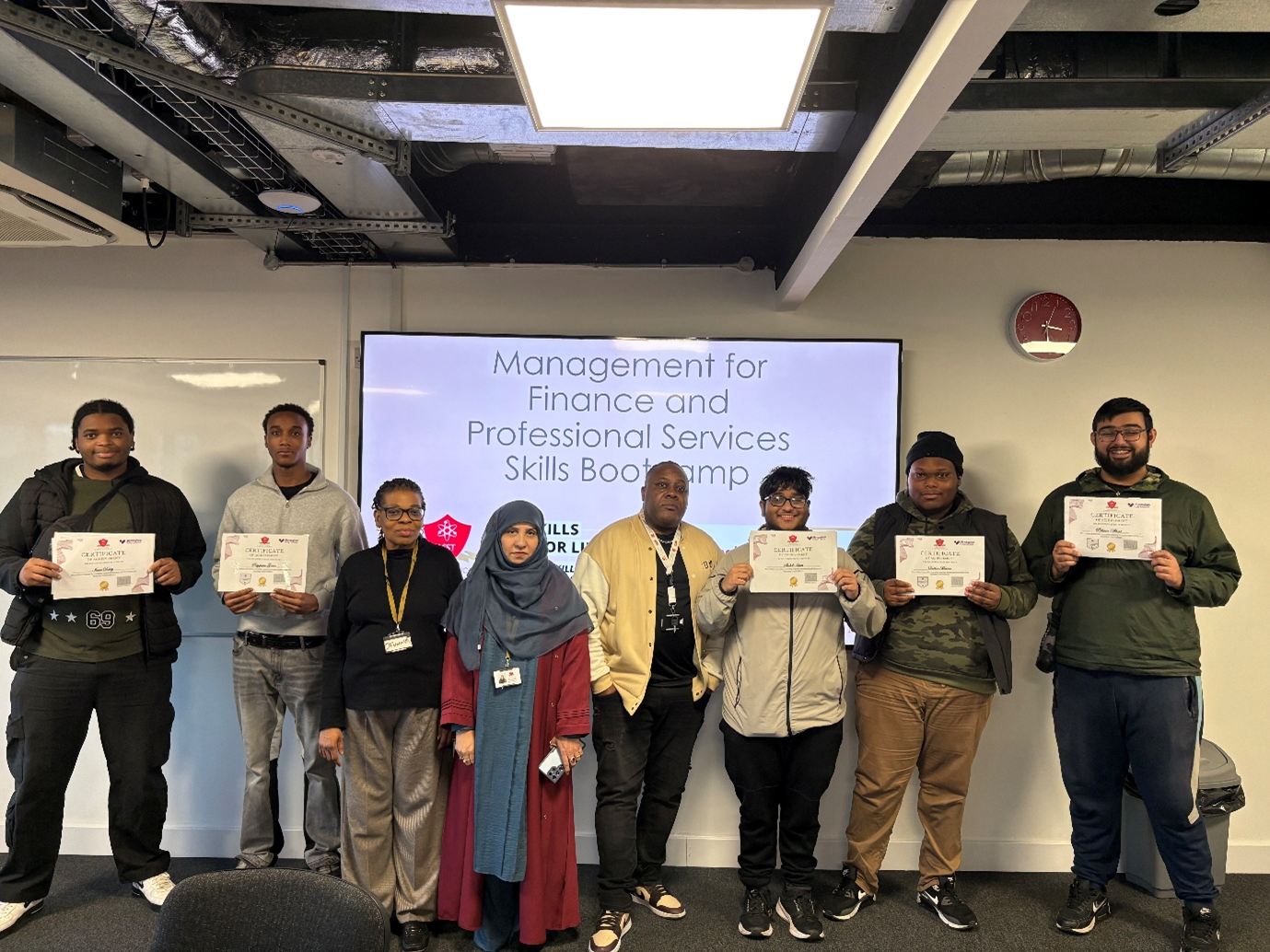




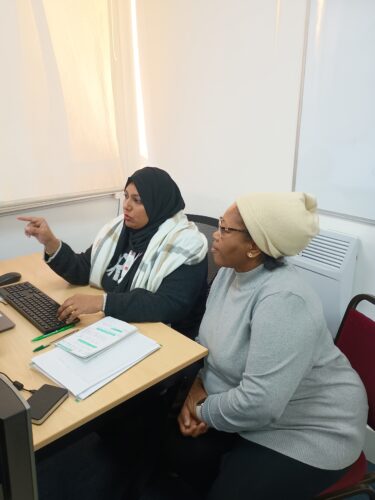

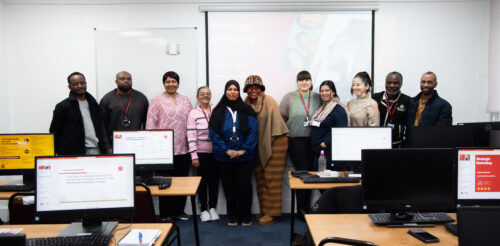
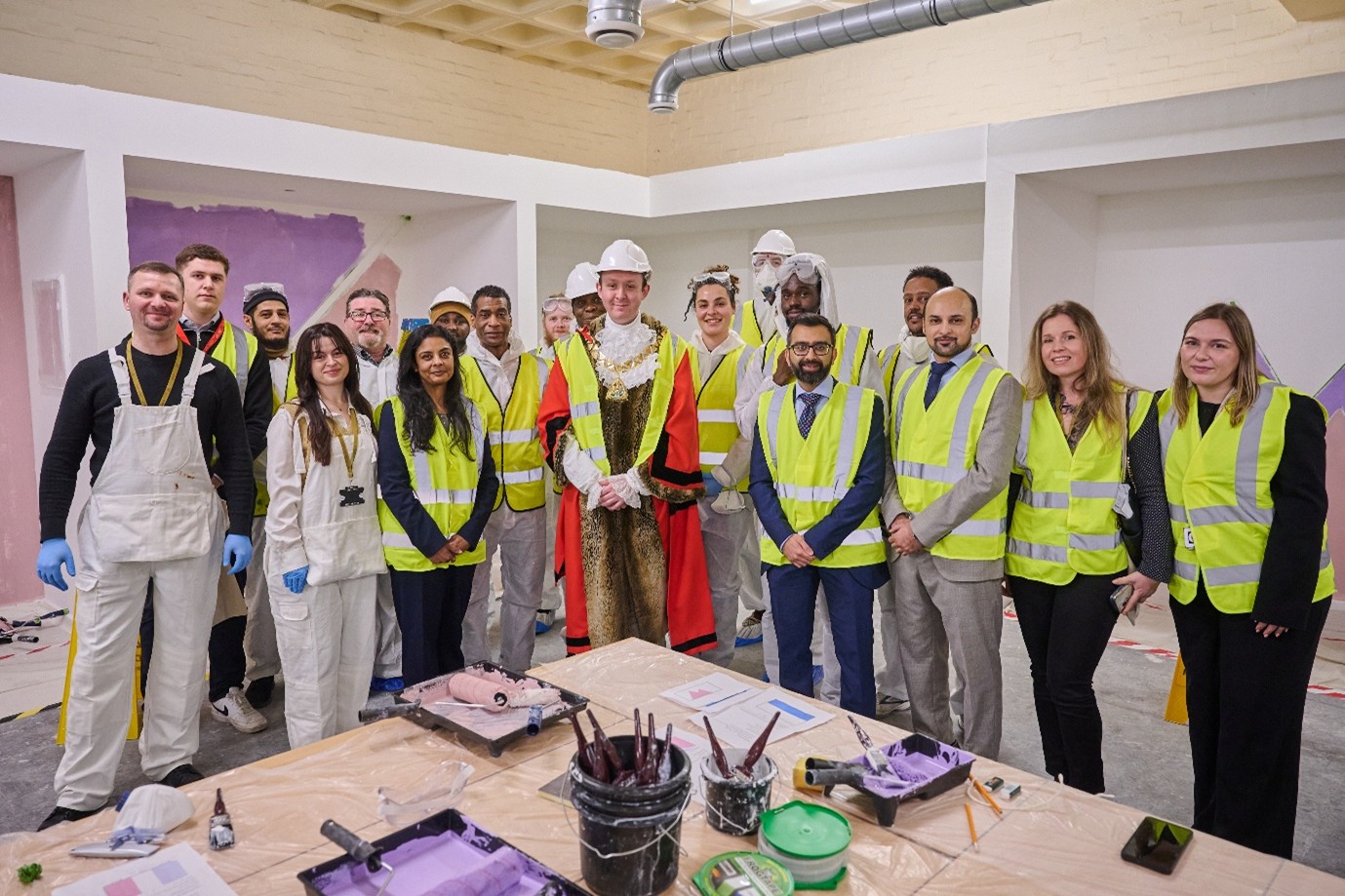
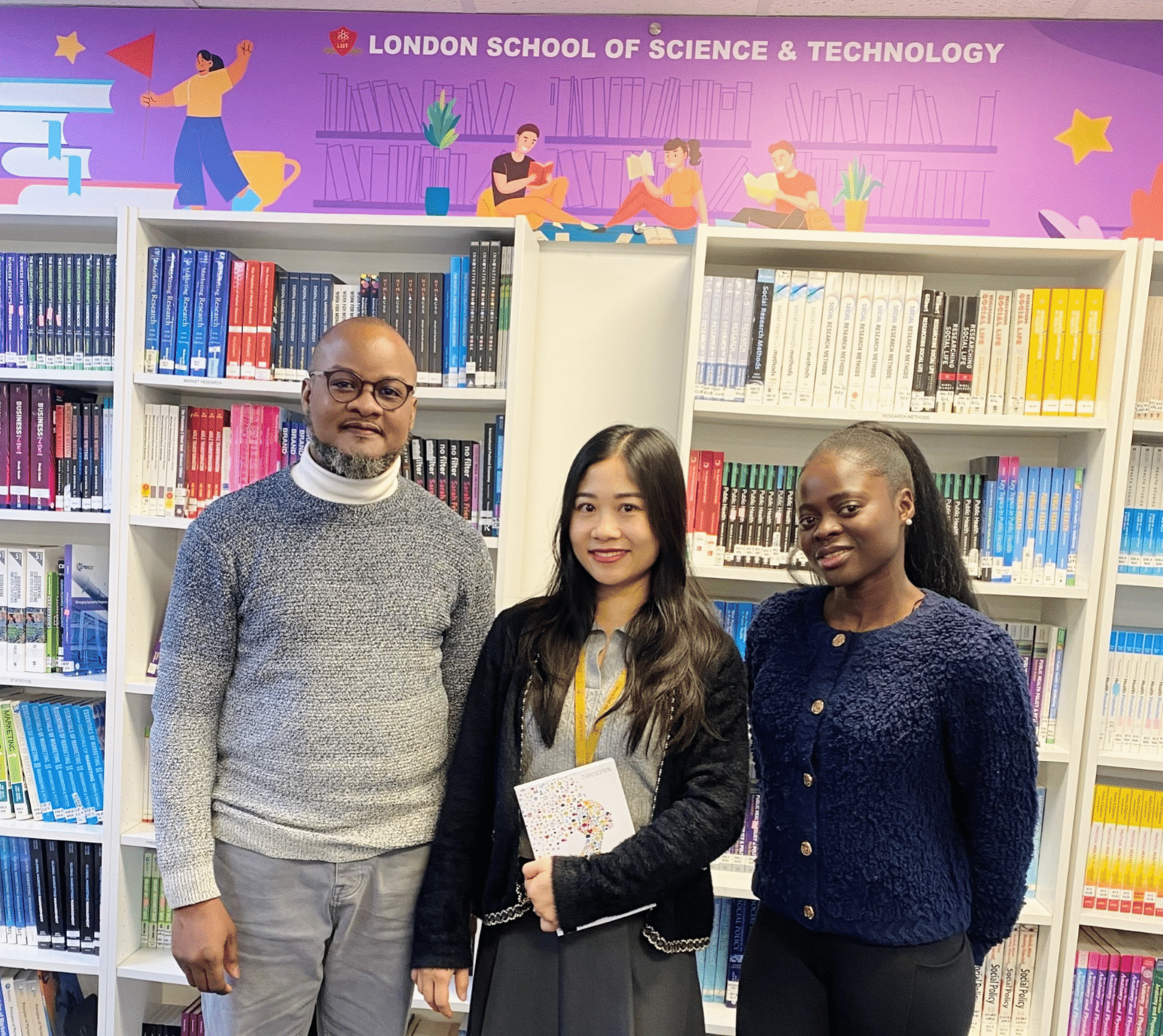

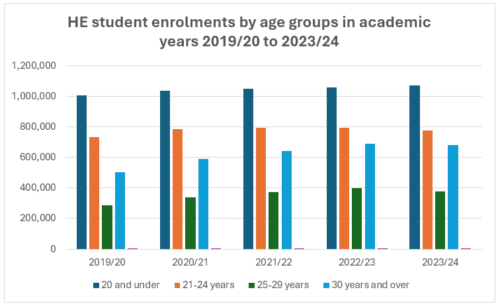

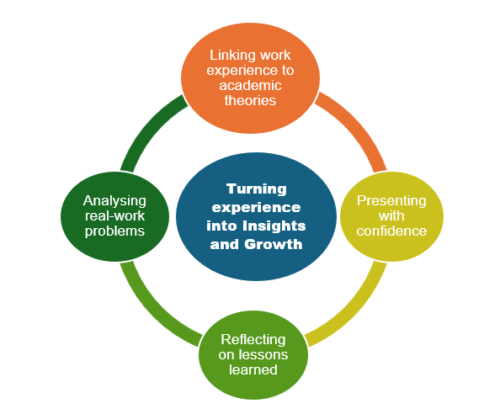


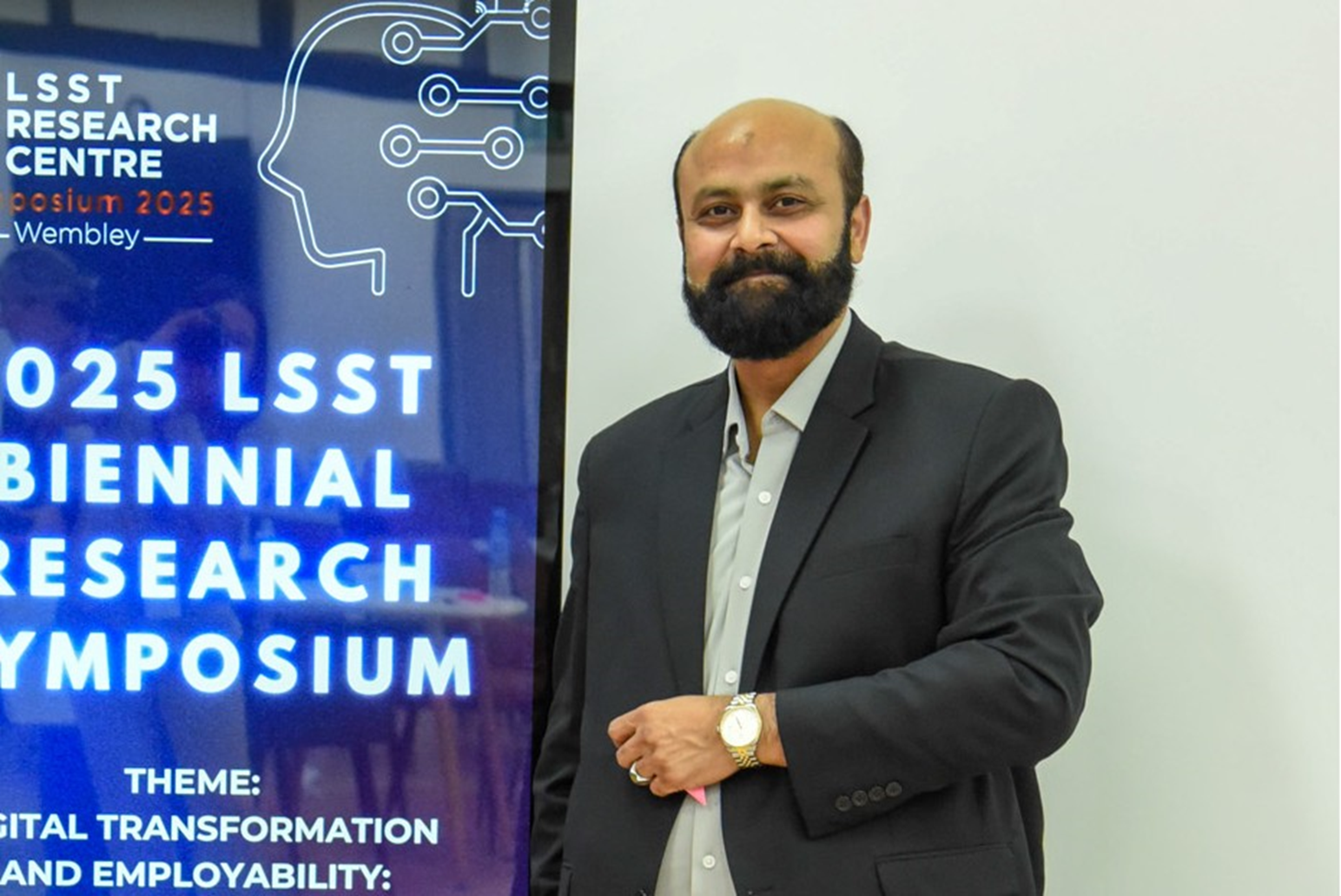
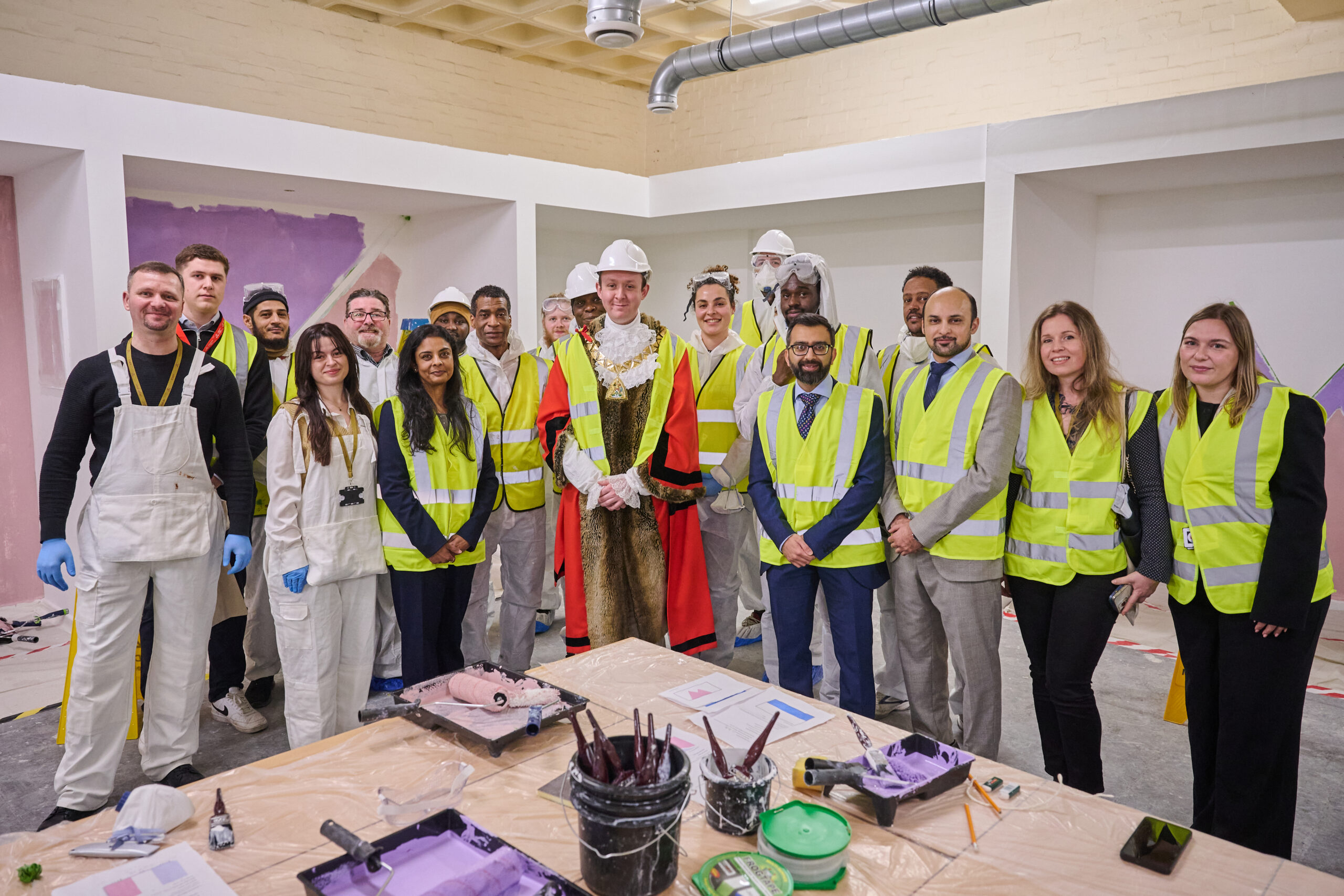
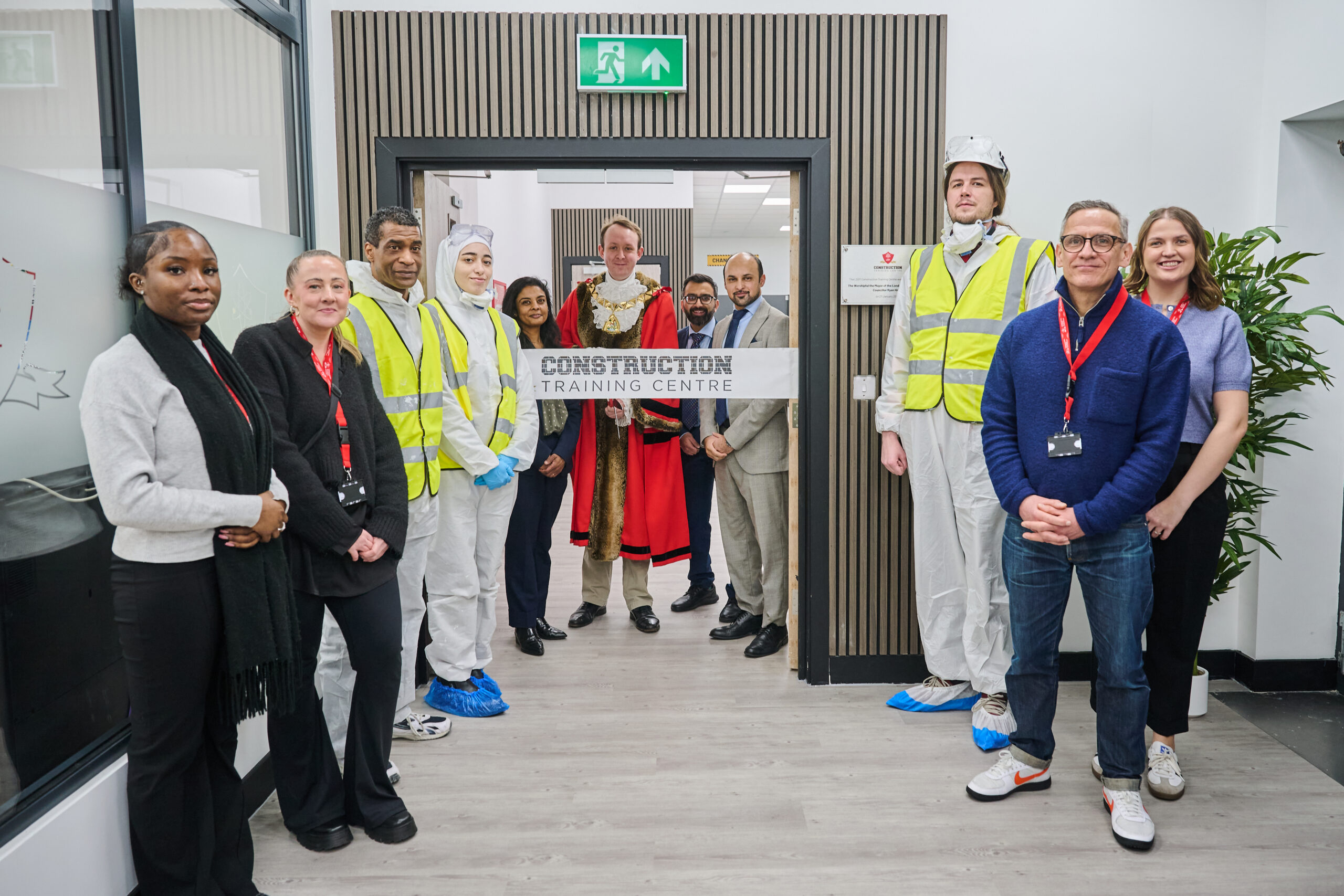
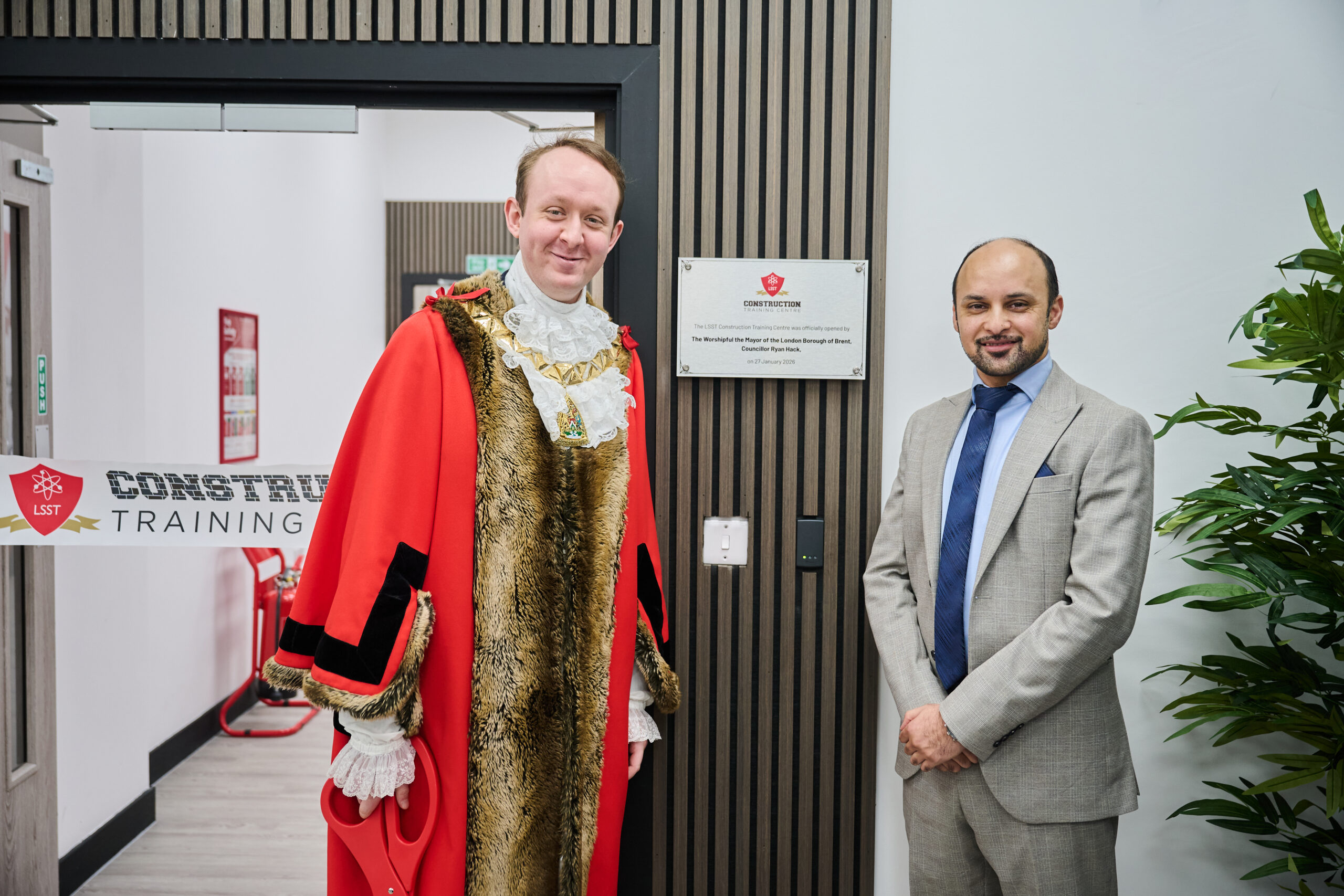

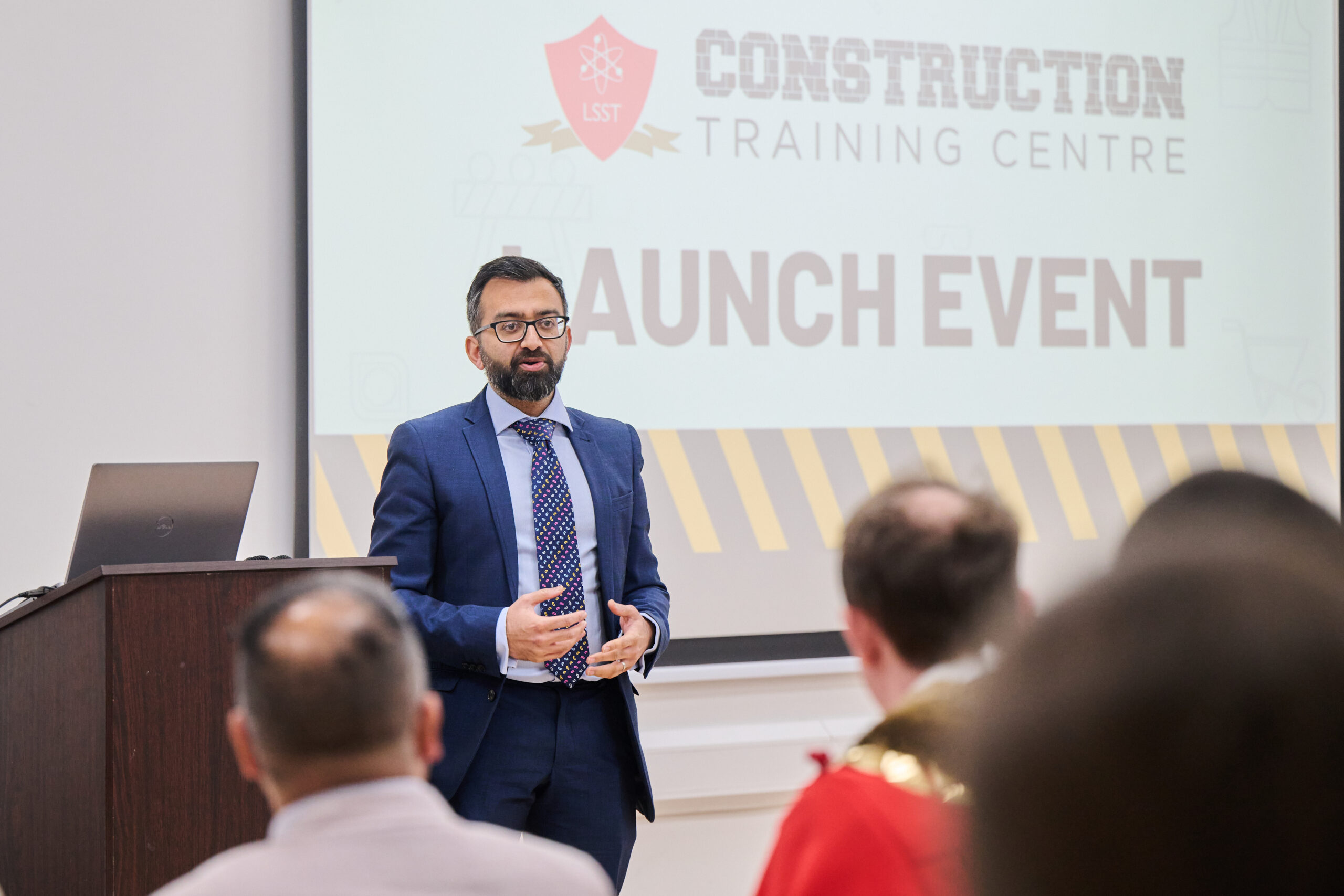
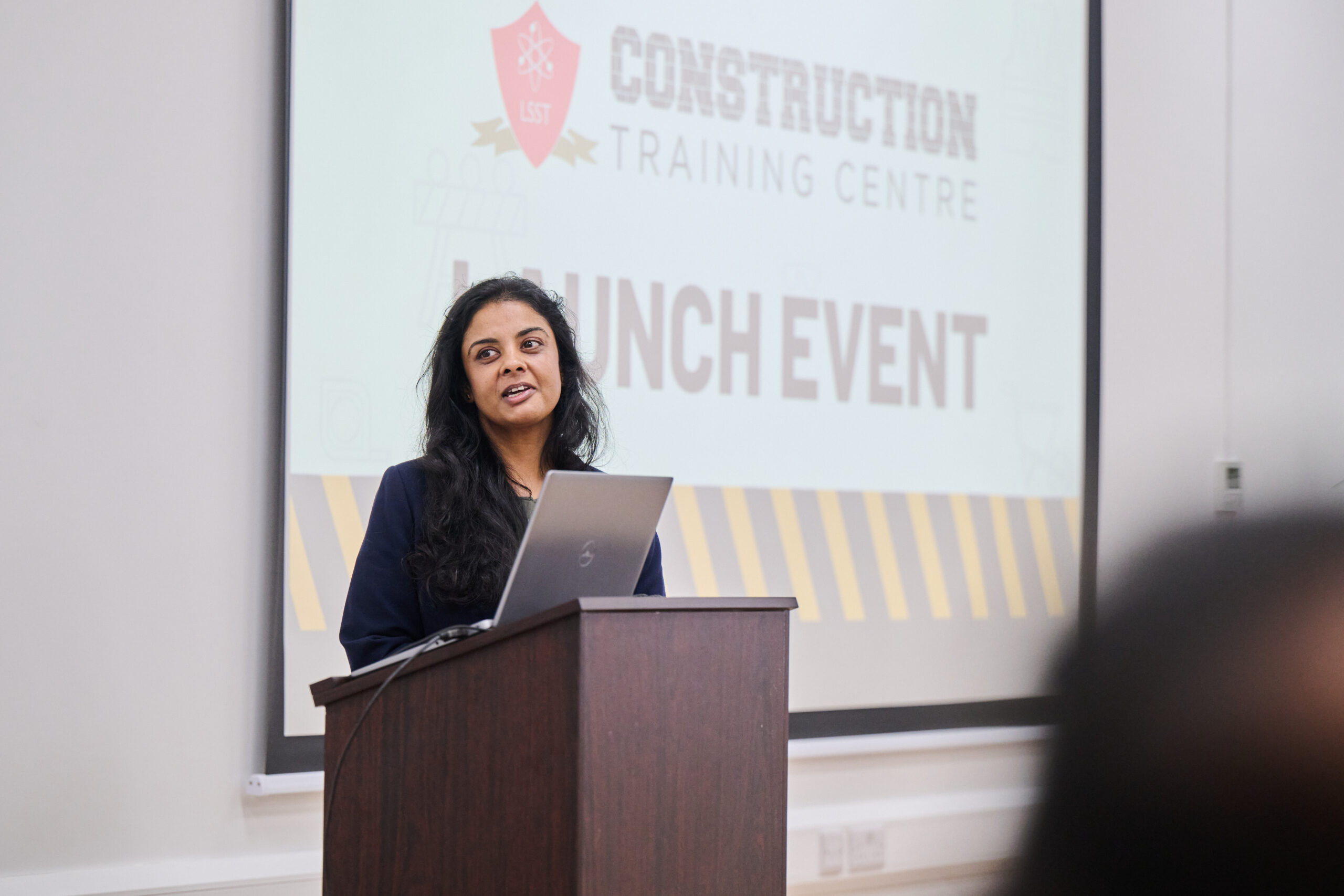
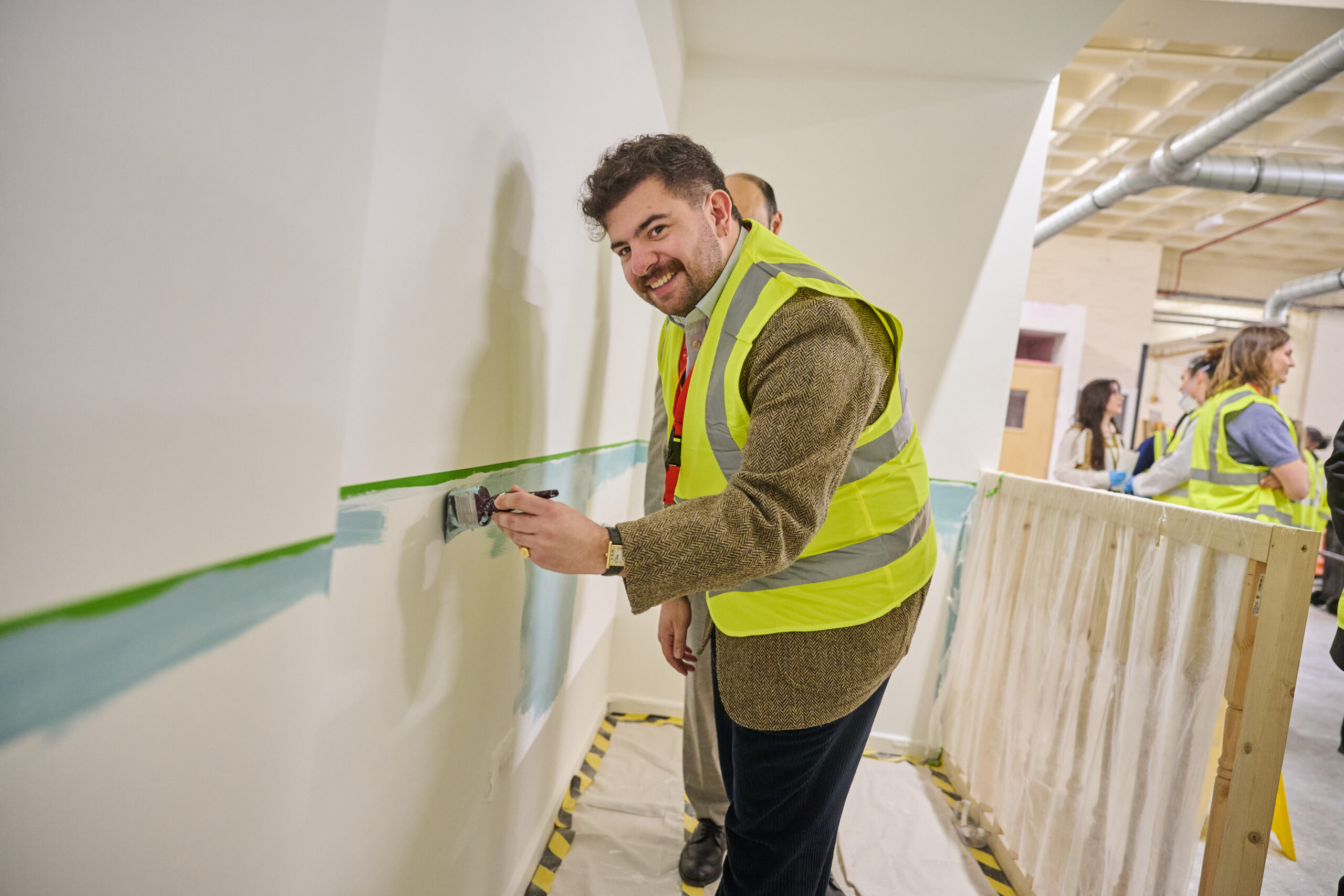
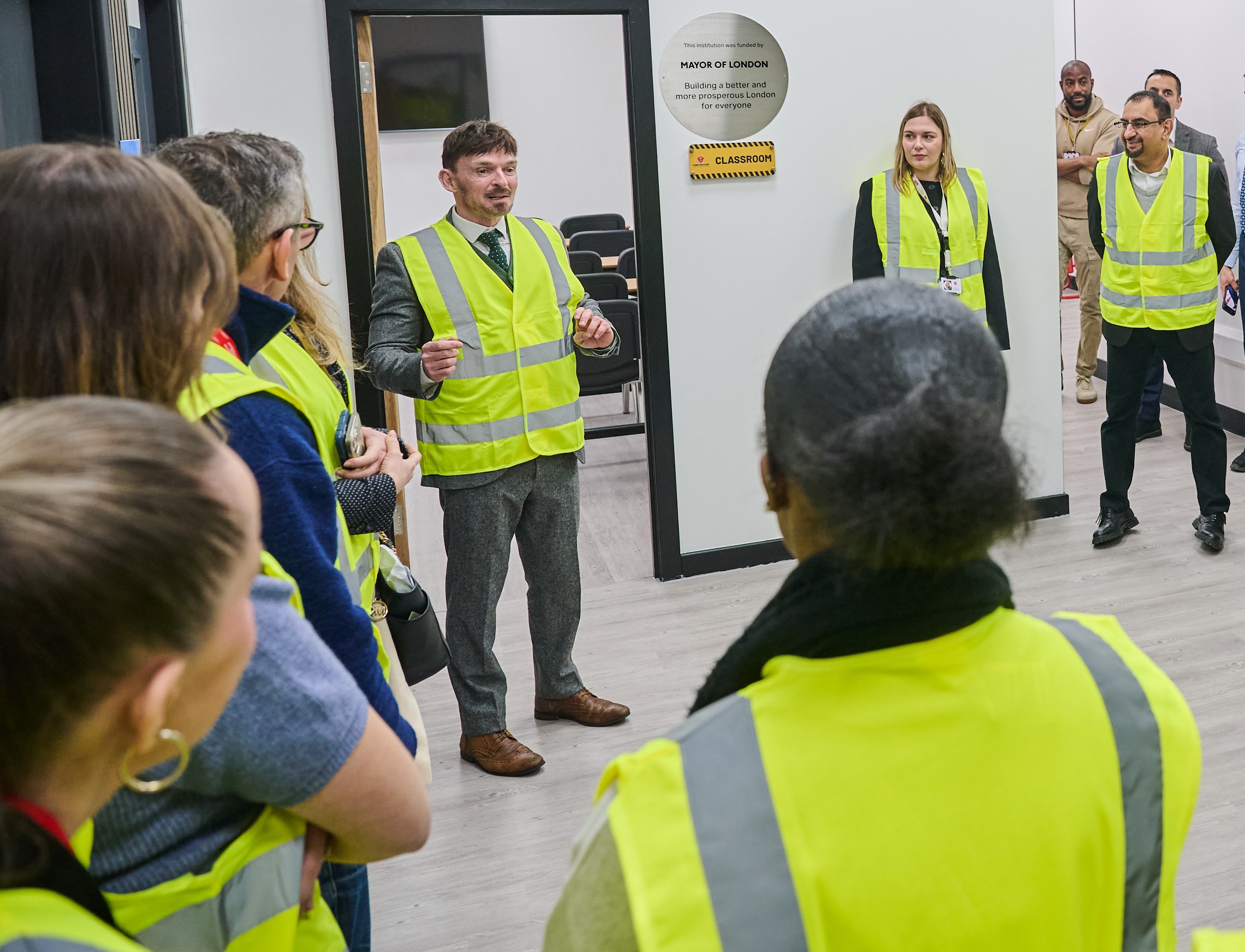
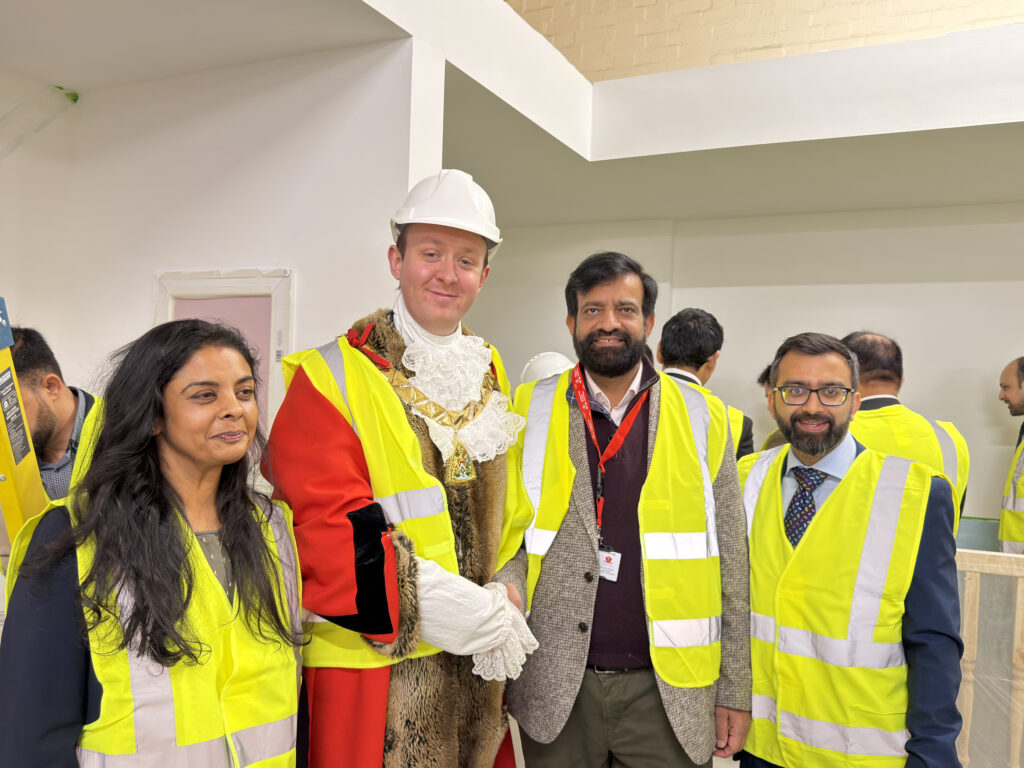

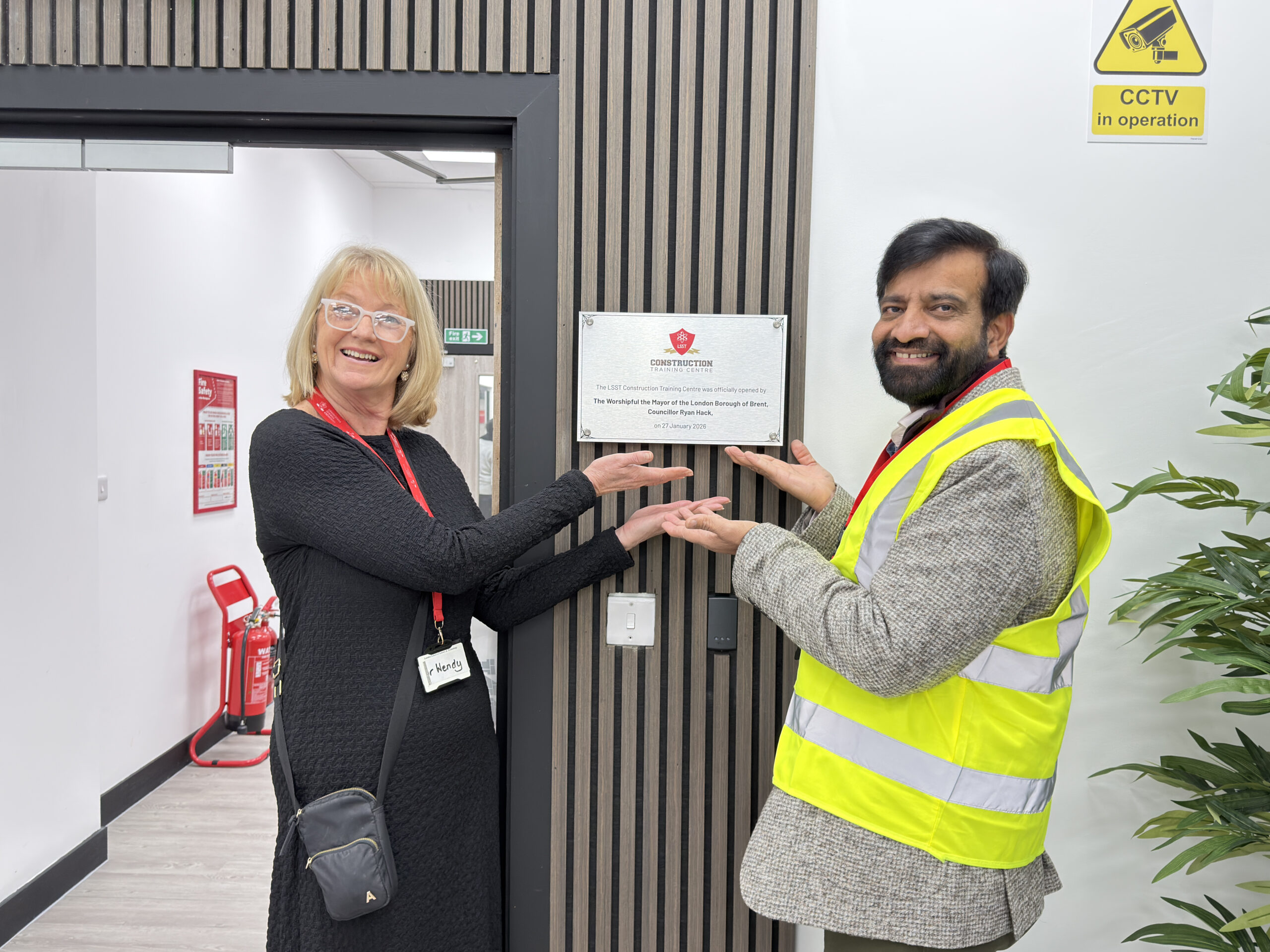

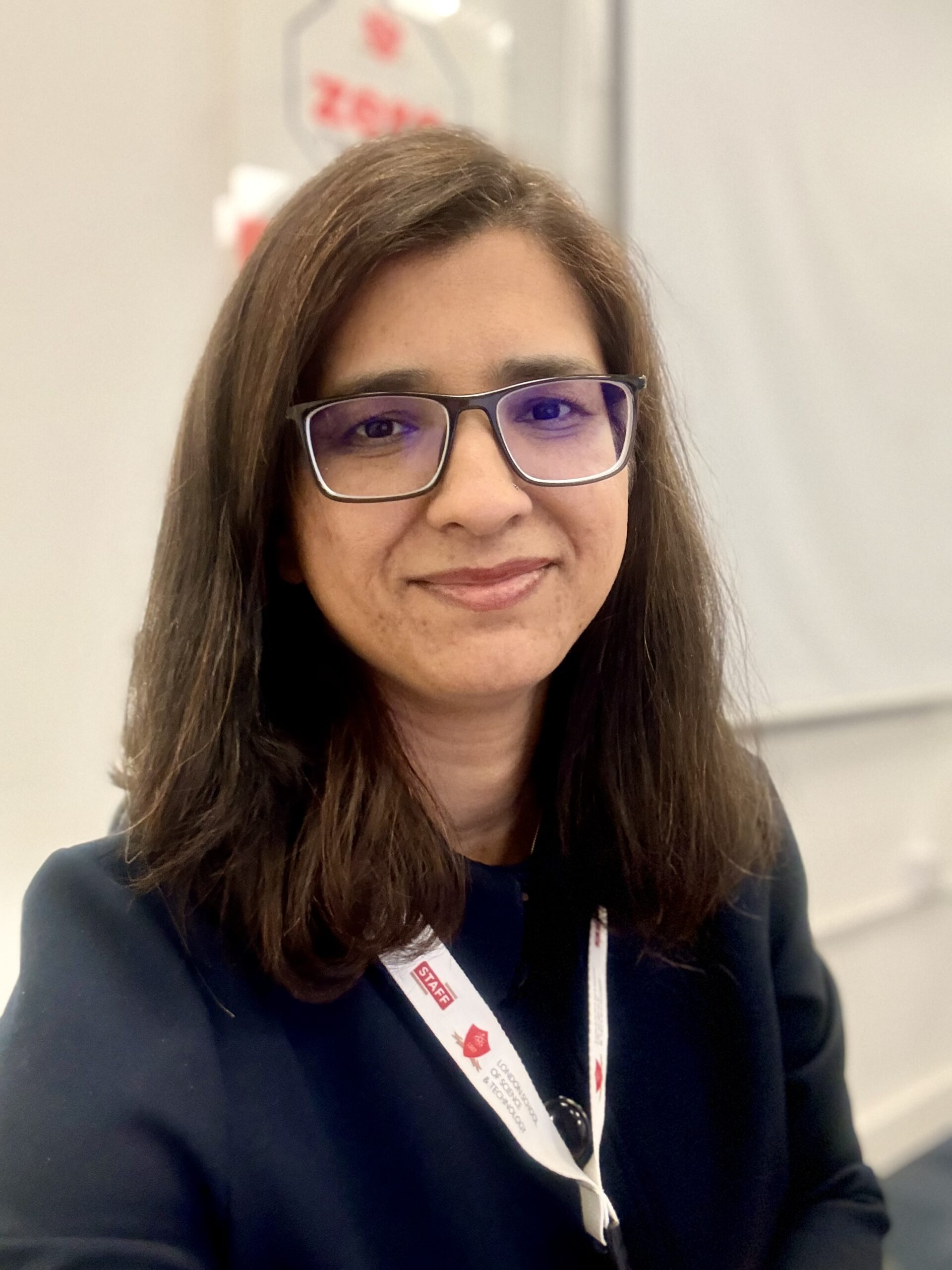


 Anchored and empowered. Boxing didn’t arrive as a hobby for Dre. It arrived as a reckoning. Photos: Dre Patterson/LSST.